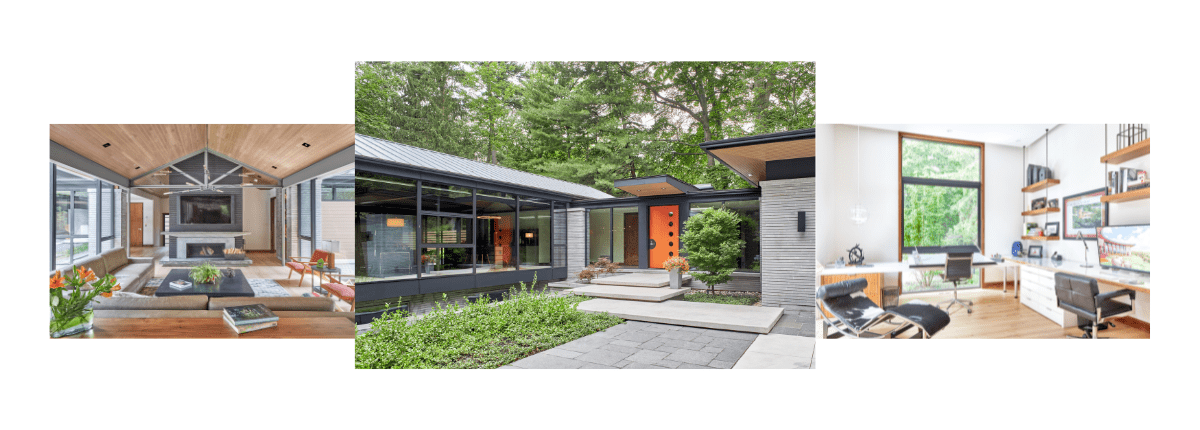

Why Interior Design Is Essential to a Successful Custom Home Process
When designing a custom home, the focus often begins with architecture—how the home looks, how it sits on the site, and how its form takes shape. But how a home feels to live in is defined just as much by the interior.
Interior design is not simply a finishing layer. When considered early, it becomes a fundamental part of the design process—guiding decisions around layout, function, and feeling.
At its best, interior design works in tandem with architecture to create a home that is cohesive, intuitive, and tailored to the way you live.
Designing From the Inside Out
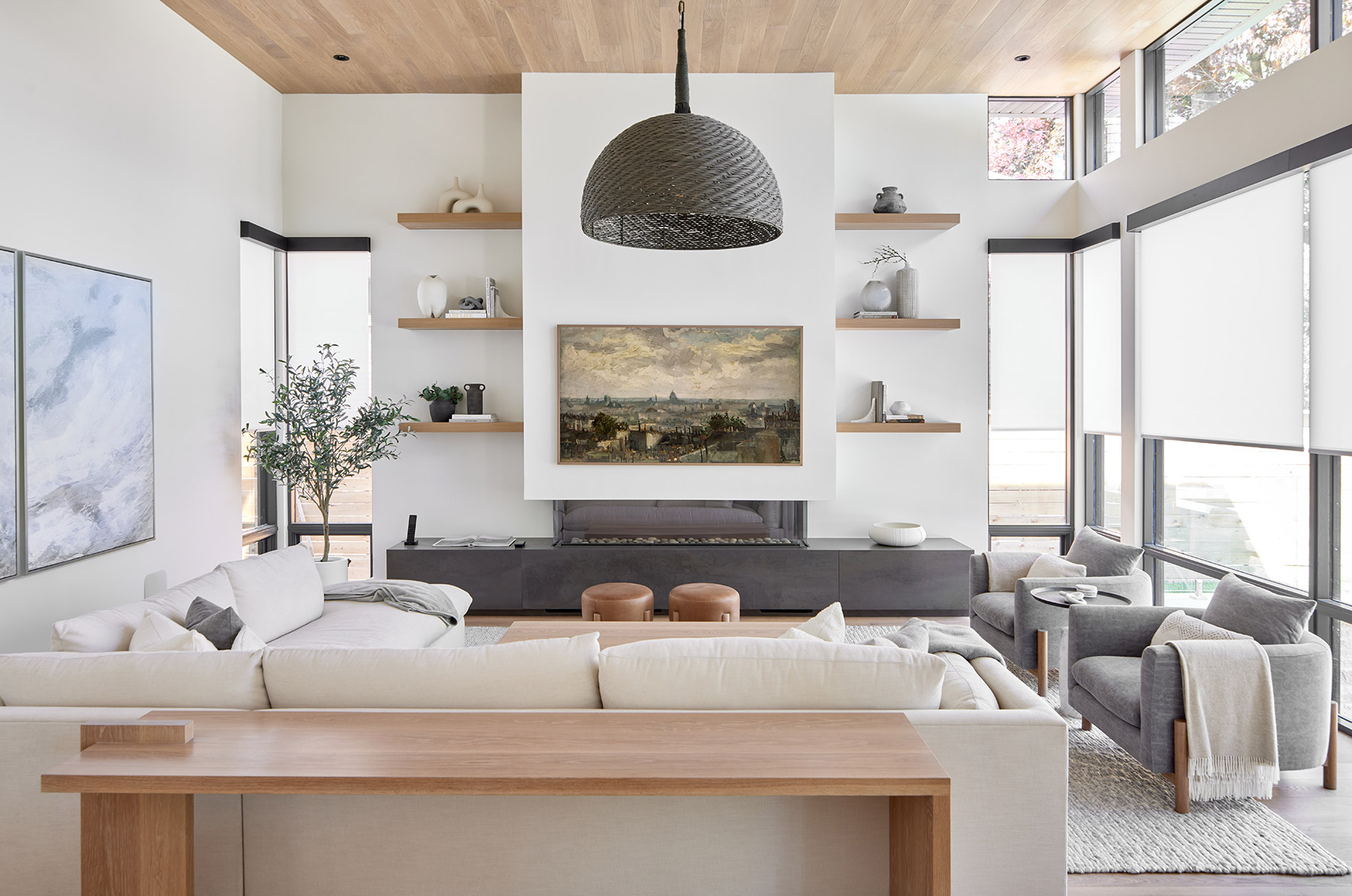
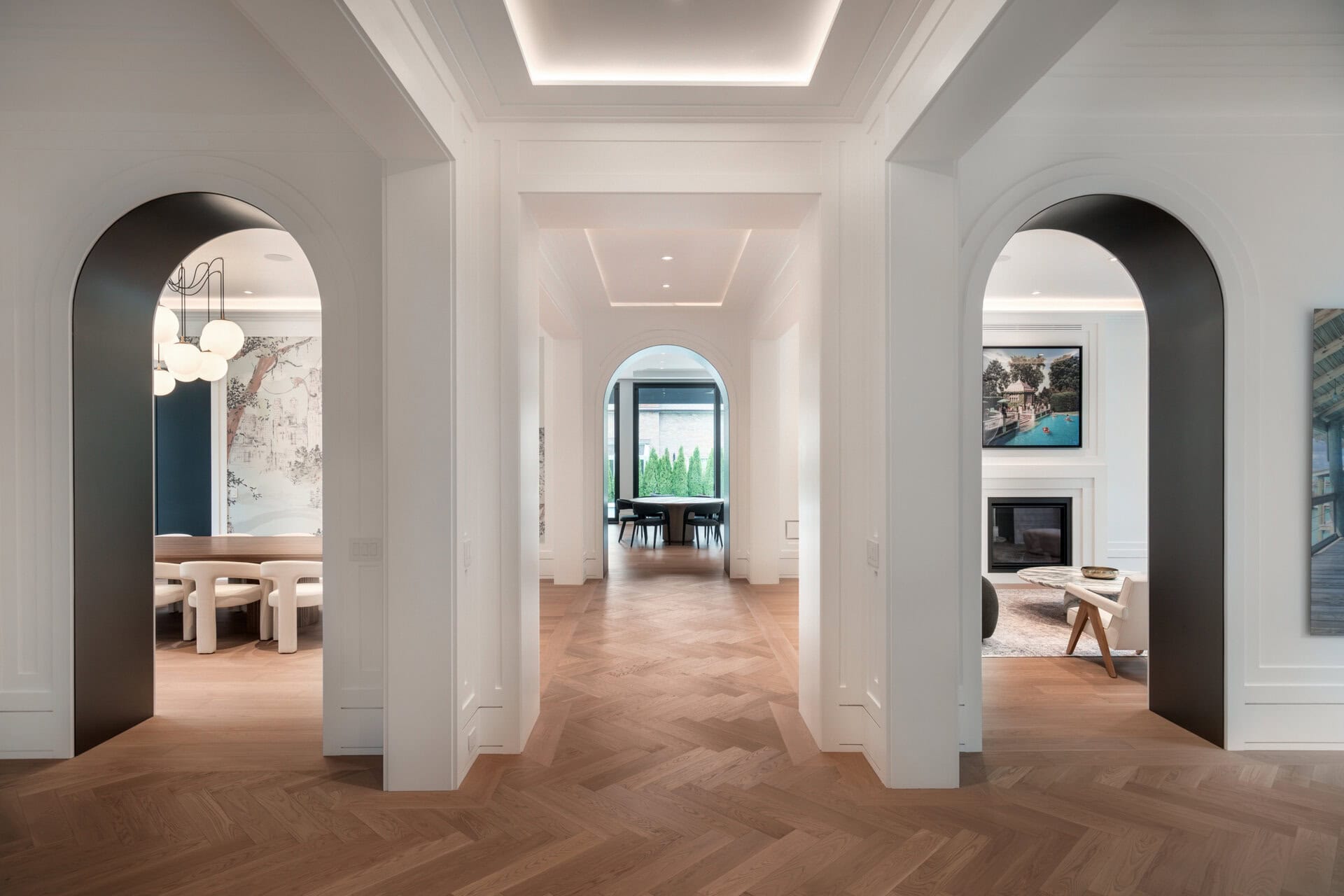
A truly successful custom home achieves a seamless relationship between its exterior and interior. Proportions, materials, sightlines, and spatial flow should feel intentional from the moment you arrive to the moment you move through each room.
By integrating interior design early, decisions about space planning, millwork, and materials are made holistically—not in isolation. This creates a continuity that elevates the overall experience of the home, ensuring that what you see on the outside is thoughtfully reflected within.
Interior Designer vs. Interior Decorator: What’s the Difference?
While the terms are often used interchangeably, there is a meaningful distinction.
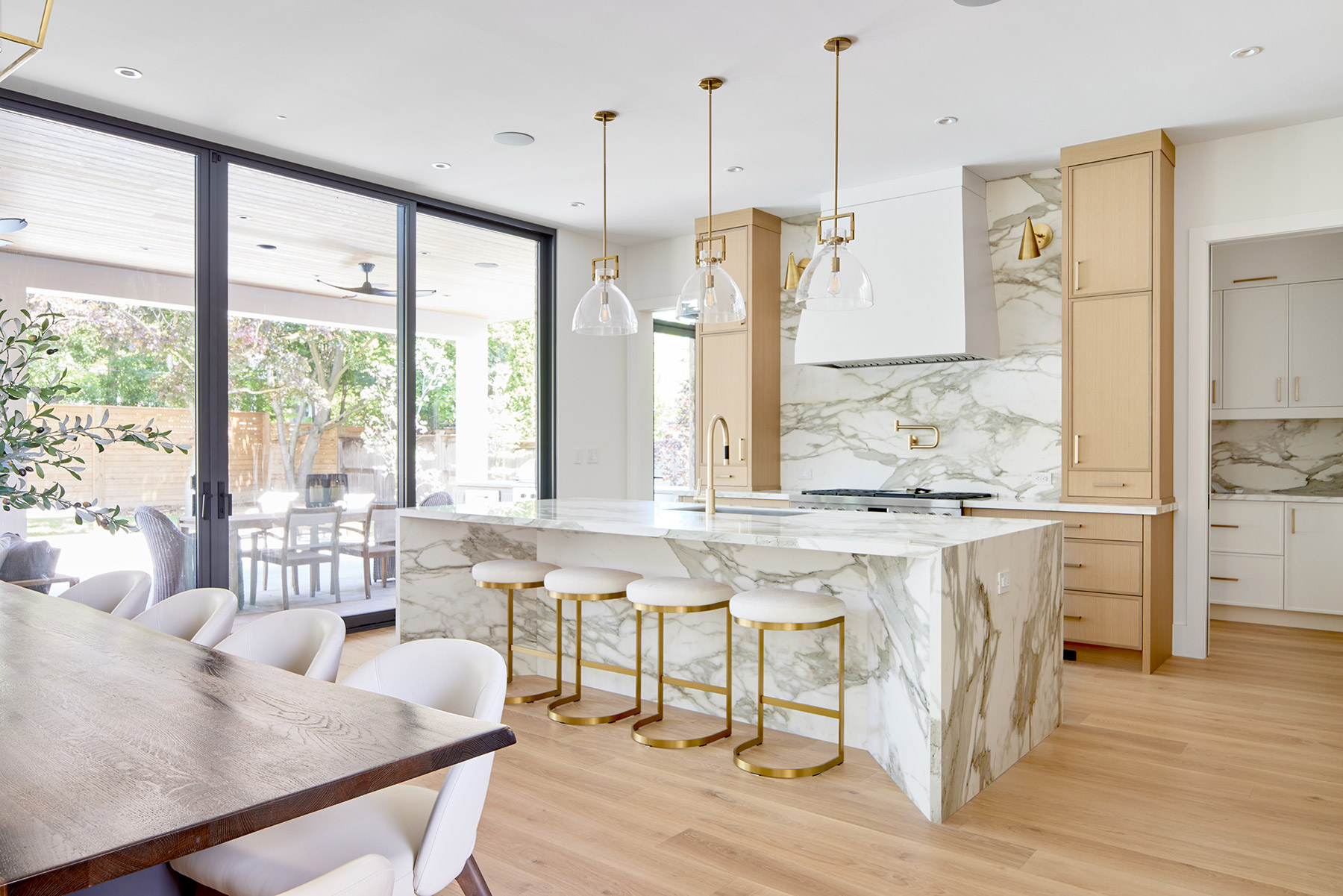
An interior designer plays a key role in shaping how a home comes together. Their work goes beyond aesthetics to include space planning, functionality, built-in elements, lighting, and how materials are detailed and executed. They collaborate closely with the architectural team to ensure that interior decisions are integrated into the overall design—informing layouts, drawings, and how the home is ultimately built.
An interior decorator, on the other hand, focuses on the aesthetic layer—furniture, fabrics, colours, and styling. They enhance a completed space but are typically not involved in structural or technical decisions.
In a custom home, both roles add value, but involving an interior designer early, prior to your construction start, ensures that the home is designed with intention from the ground up, rather than refined after the fact.
A Fully Integrated Design Process
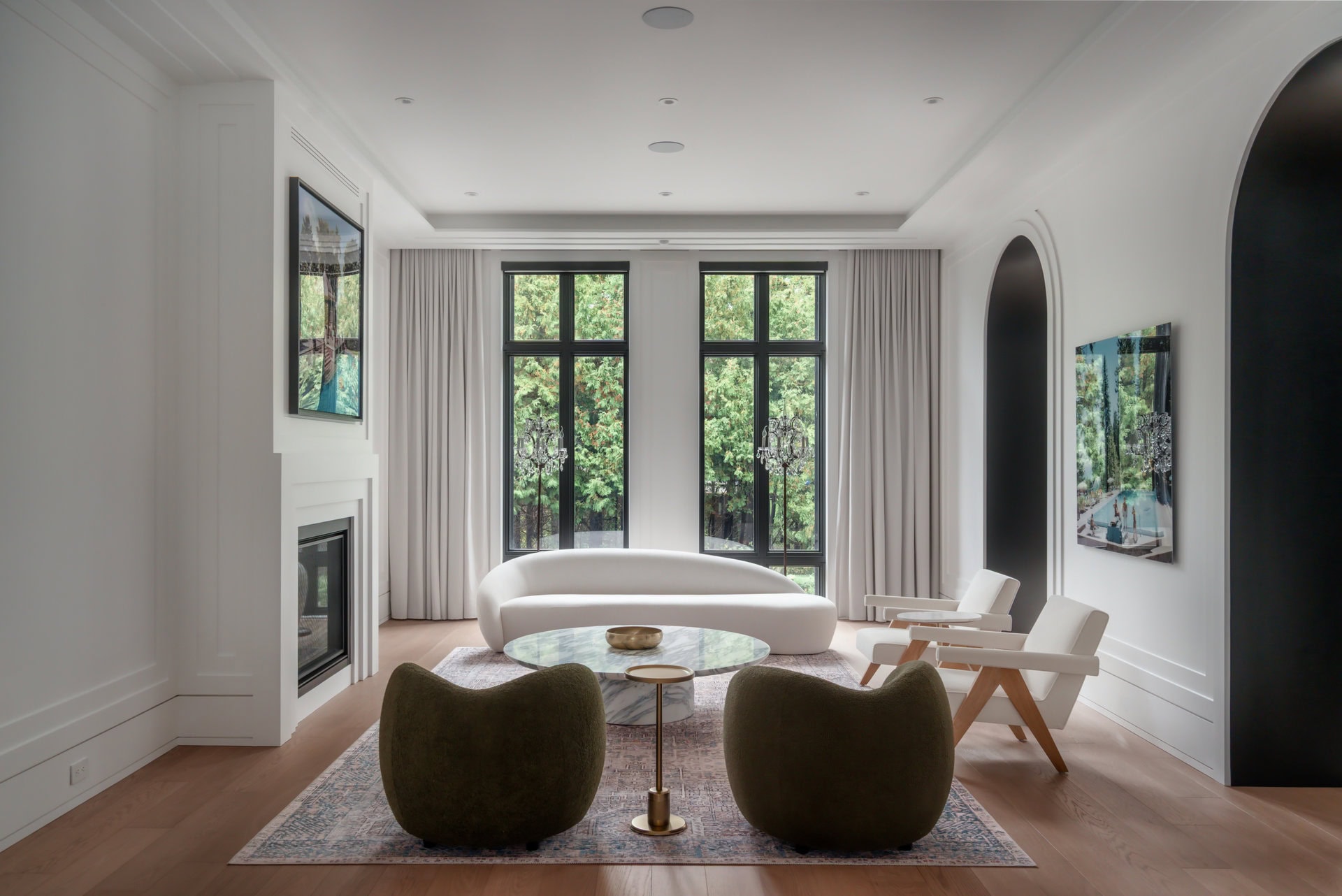
Bringing architecture and interior design together under one roof creates a more efficient and cohesive experience.
Rather than managing multiple consultants, homeowners benefit from a streamlined process where every detail is coordinated.
This integrated approach allows for:
- Enhanced continuity between interior and exterior design
Materials, forms, and finishes are aligned from concept through completion. - Highly coordinated drawing packages
Seamless communication between architecture and interior ensures a cohesive output – reducing gaps, miscommunication, and revisions during construction. - Thoughtful use of Renderings
Visual tools are used at key moments in the process to help clients better understand their space—bringing clarity to scale, materials, and how different elements come together before construction begins.
Efficiency Without Compromise
One of the most overlooked benefits of an integrated design approach is time.
When interior design moves forward well before the construction start, decisions happen earlier and more efficiently.
A more considered approach to time and process supports:
- Managing project timelines
Early coordination eliminates late-stage changes and redesign. - Time efficiency through “one-stop” design
With architecture, approvals, and interior design handled as a unified process, the entire project moves forward more smoothly.
Designing With Budget Clarity
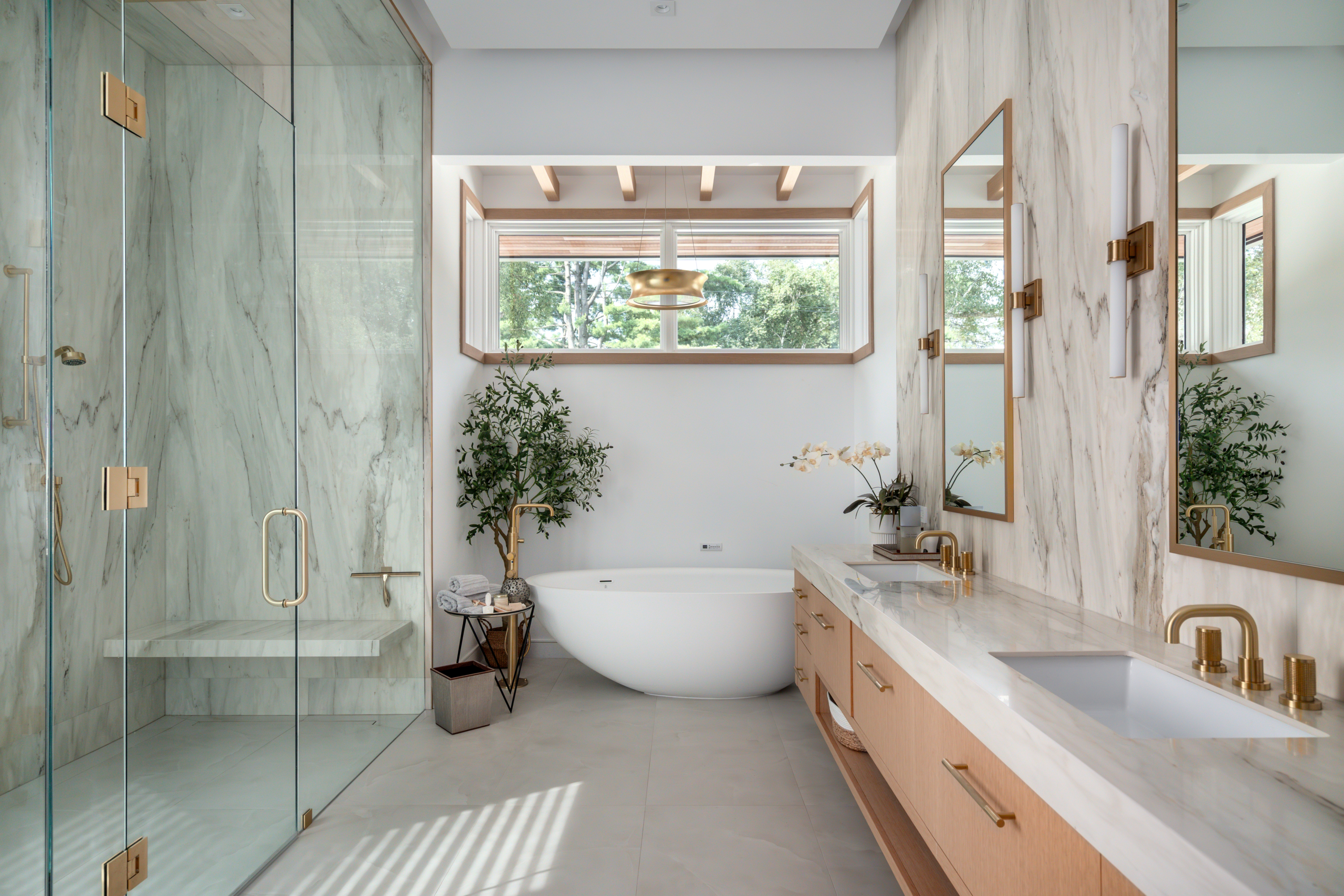
Interior design plays an important role in guiding construction costs. Every finish, fixture, and material contributes to the overall budget—and when these decisions are made early, they can be aligned with financial expectations from the start.
Rather than reacting to costs later, this approach establishes a clear path forward—ensuring that each decision is intentional and contributes to the overall quality, longevity, and value of the home.
An integrated process supports:
- Greater cost awareness throughout the design process
Selections are made with a clear understanding of how they influence the overall budget, helping to reduce surprises as the project progresses.
- A more structured path for decision-making
With a defined plan in place, choices are guided by the overall vision and budget, reducing the tendency for isolated, emotionally driven purchases that can quickly escalate costs without adding meaningful value.
A Complete Vision: The Final Book
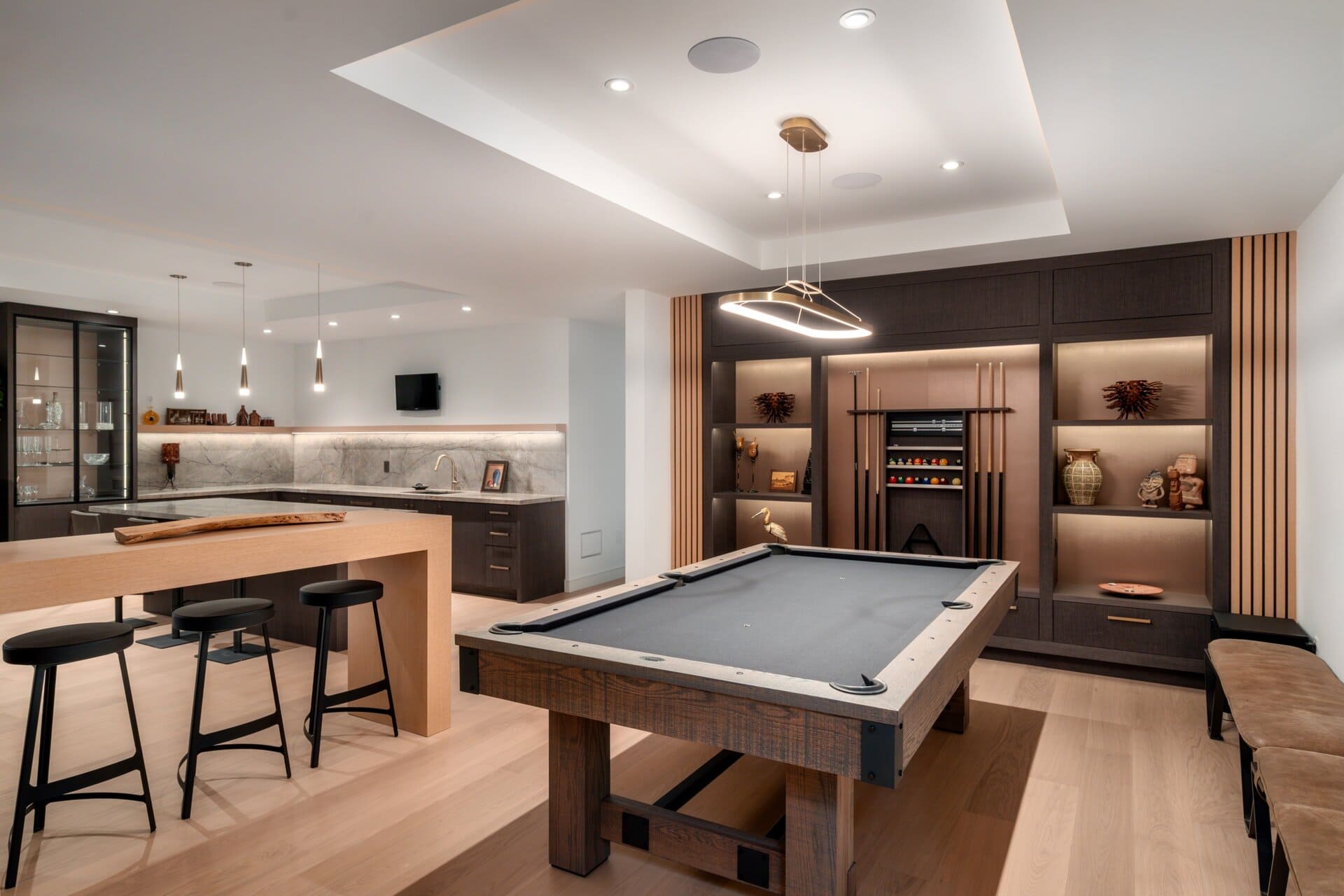
Clarity is everything when it comes to construction. Even the best ideas can be lost without proper documentation.
A comprehensive, fully detailed package—what we call the “Final Book”—ensures that every element of the interior design is clearly communicated. From millwork details to material selections, it becomes a roadmap for builders and trades, reducing uncertainty and ensuring the finished home reflects the original vision.
The Result: A Home That Feels Complete
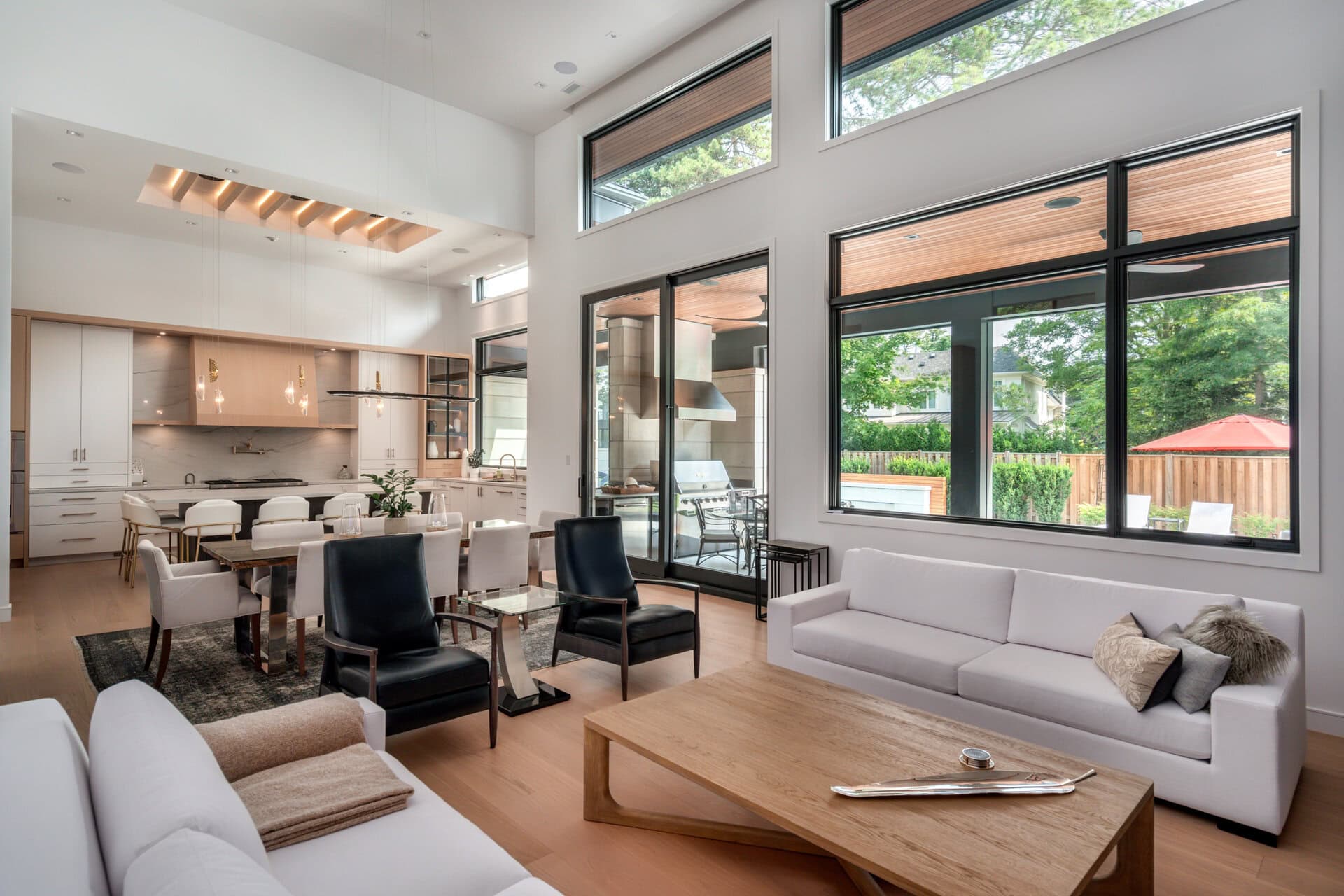
When interior design is integrated from the beginning, the result is a home that feels resolved in every sense.
Spaces flow naturally, materials feel intentional, and each element contributes to a larger, cohesive vision. The experience of the home becomes seamless—both visually and functionally.
Because ultimately, a well-designed home isn’t just about how it looks. It’s about how it lives.
If you’re considering a custom home, a thoughtful and integrated approach to design can make all the difference. Connect with our team to learn how we can guide you through the process—from concept to completion.