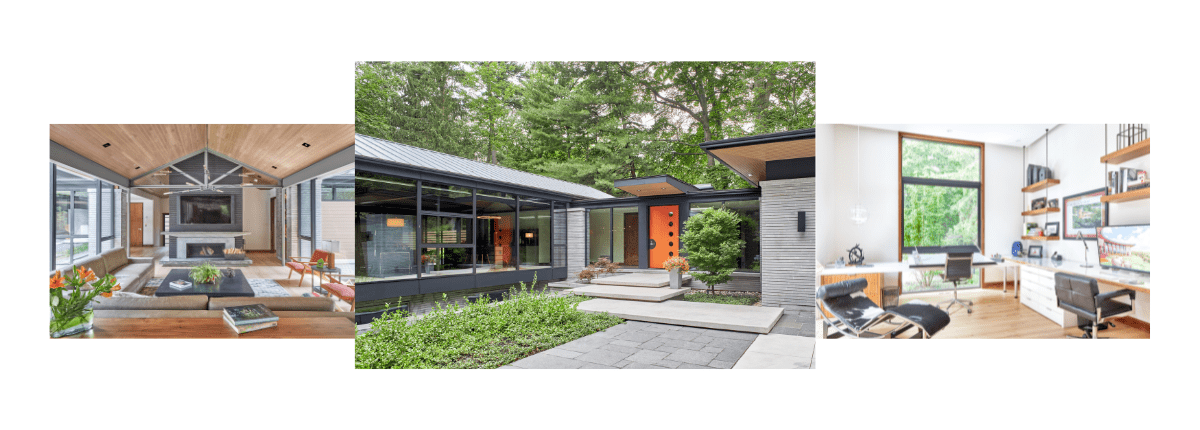

The Rise of Traditional Design: Why Homeowners Are Craving the Familiar Again
For years, modern architecture has dominated design conversations. Clean lines, flat roofs, expansive glass, and minimalist detailing became synonymous with luxury residential design.
Lately, however, we’re noticing a shift.
More and more homeowners are gravitating toward traditional architecture—not because they want something old-fashioned, but because they’re looking for something familiar, comfortable, and enduring.
The challenge is that many people don’t love the word traditional. It can sound dated or suggestive of something stuck in the past.
But today’s traditional design is different.
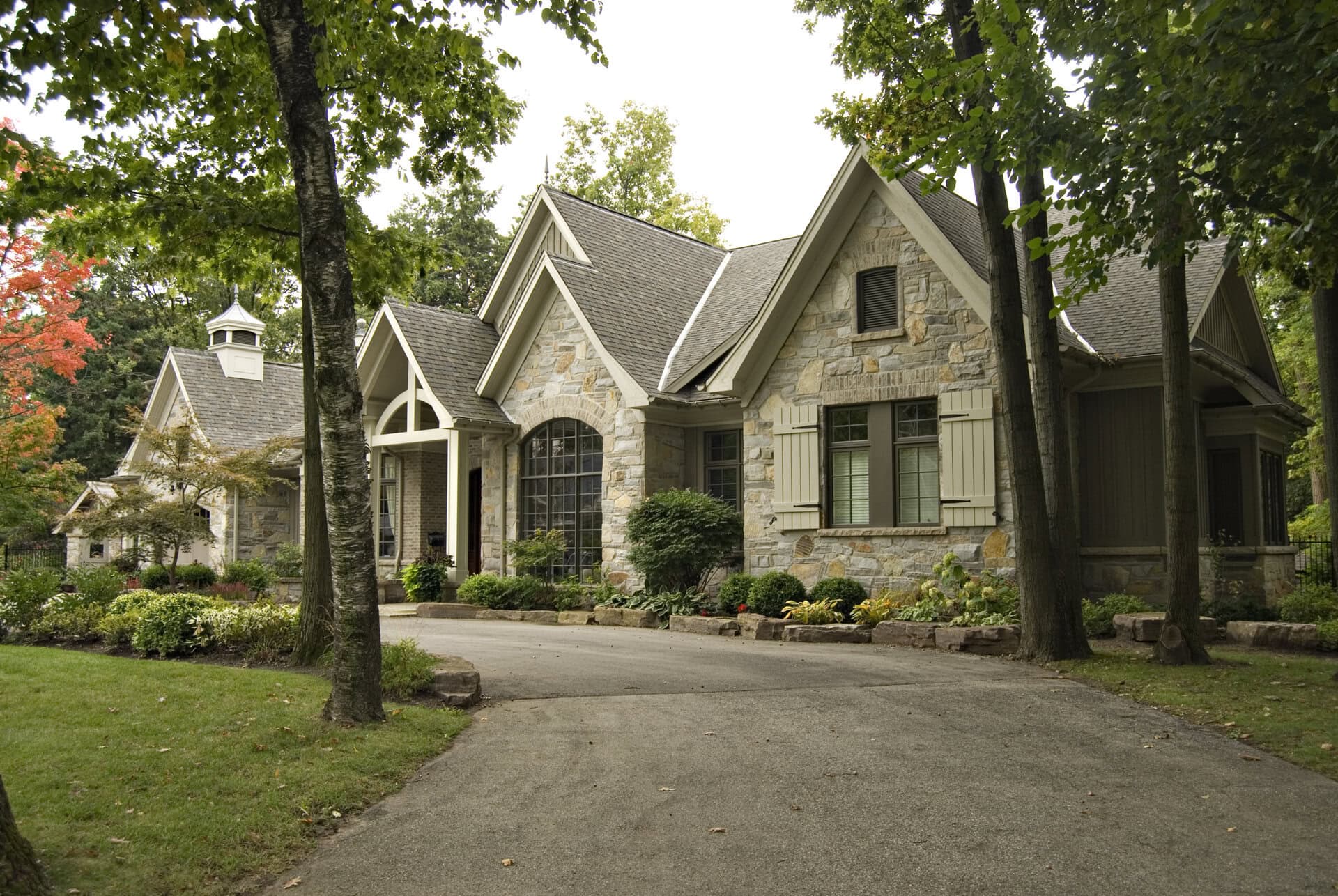
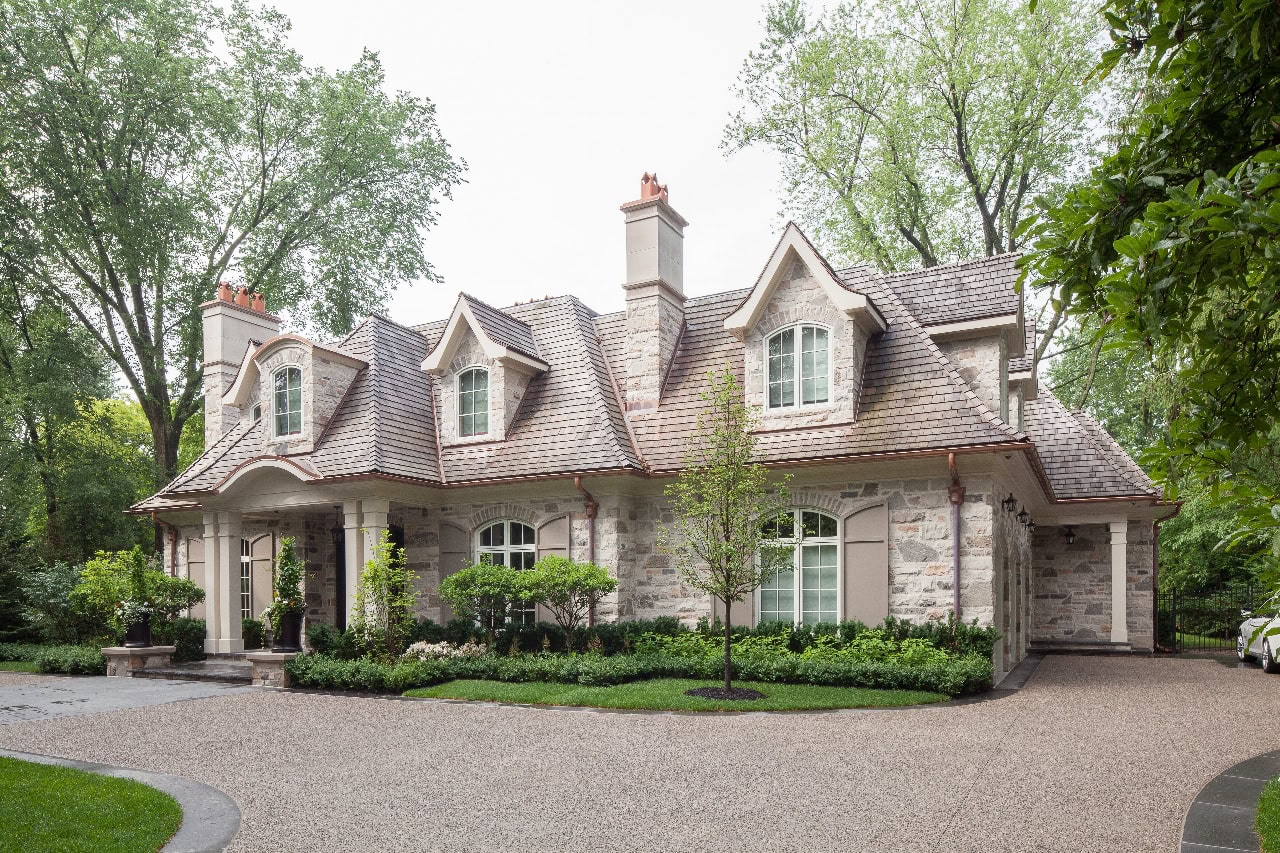
When we talk about traditional architecture, we’re talking about classic proportions, familiar roof forms, thoughtful detailing, and materials that feel grounded in place. More importantly, we’re talking about homes that feel as though they belong—to their neighbourhood, their site, and the families who live within them.
The Comfort of Familiar Forms
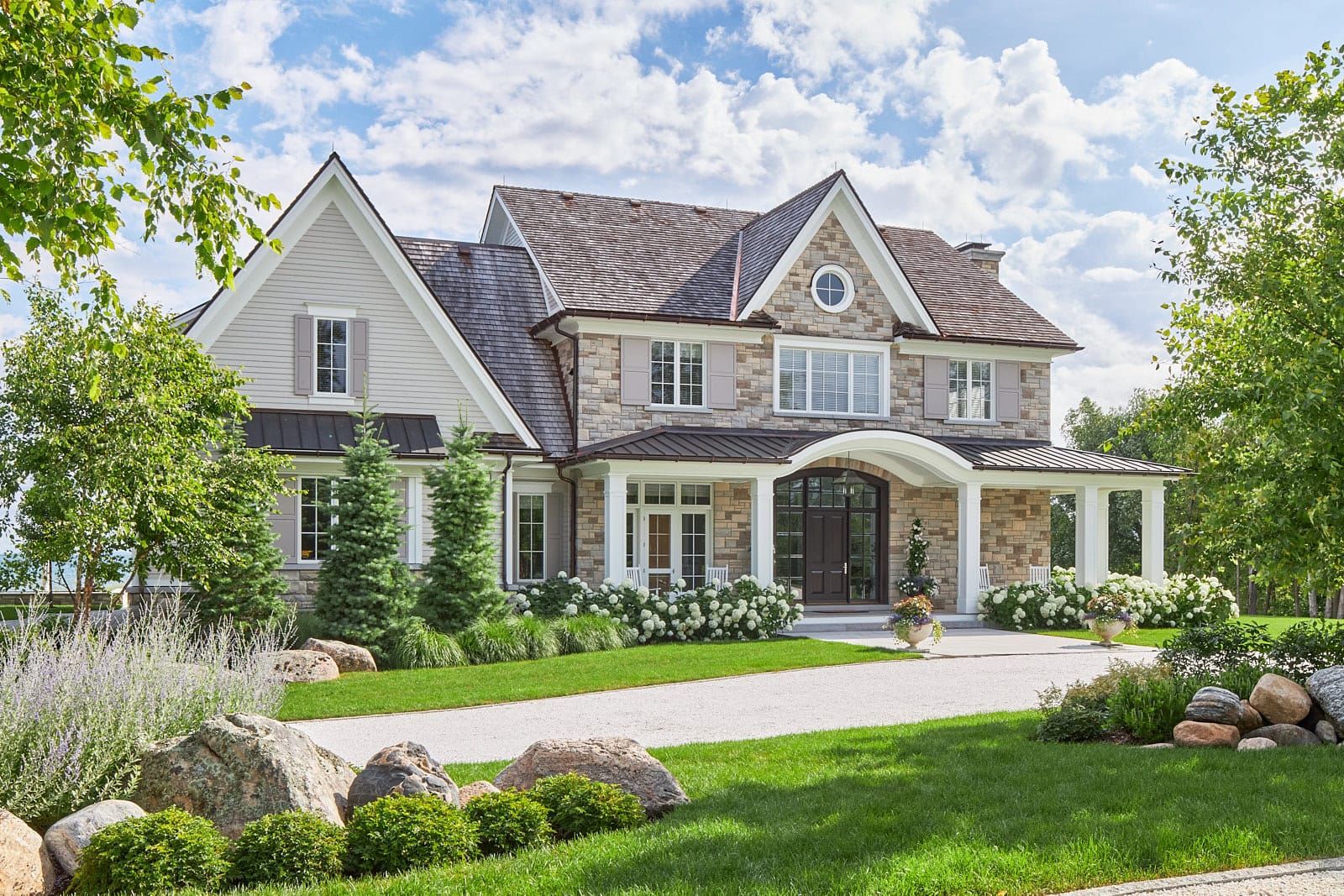
There is something inherently comforting about a traditional home.
Gabled roofs, welcoming front entries, divided windows, stone and brick detailing—these are architectural elements that have stood the test of time because they resonate with people on a deeper level.
Perhaps it’s nostalgia. Perhaps it’s the connection to the homes we grew up in or admired throughout our lives.
Whatever the reason, homeowners seem to be seeking spaces that feel warm and familiar rather than dramatic and attention-grabbing.
The Return of Character
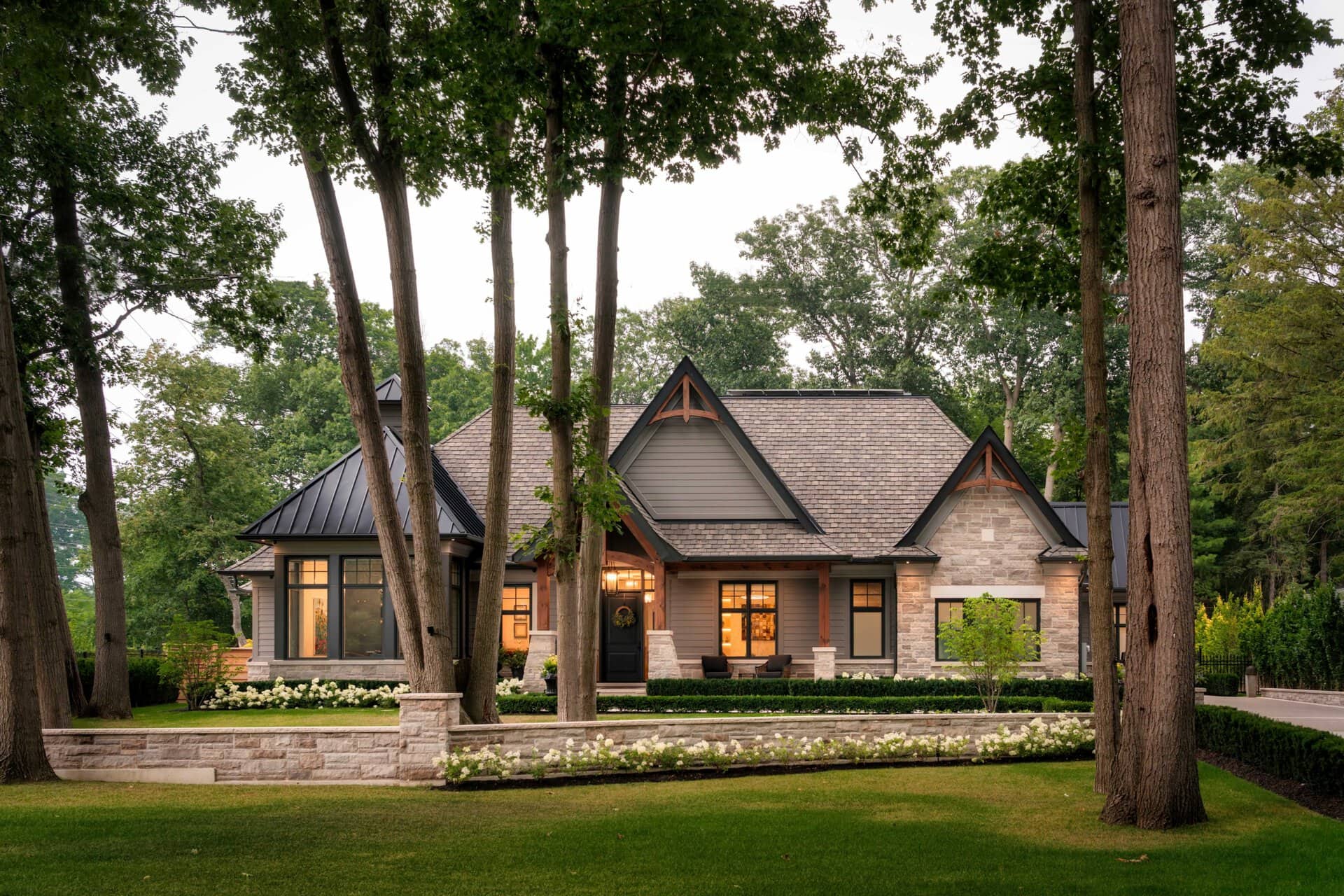
We’re also seeing a renewed appreciation for character and craftsmanship.
For many years, open-concept living and minimalist detailing drove design decisions. Today, homeowners are increasingly interested in spaces that feel defined.
This doesn’t mean homeowners are abandoning modern design principles. In fact, abundant natural light, organized and intentional spaces, and a strong connection to the outdoors remain among the most requested design features we see today. Rather, homeowners are pairing these modern principles with traditional forms and detailing to create homes that feel warm, layered, and personal.
Beyond Trends
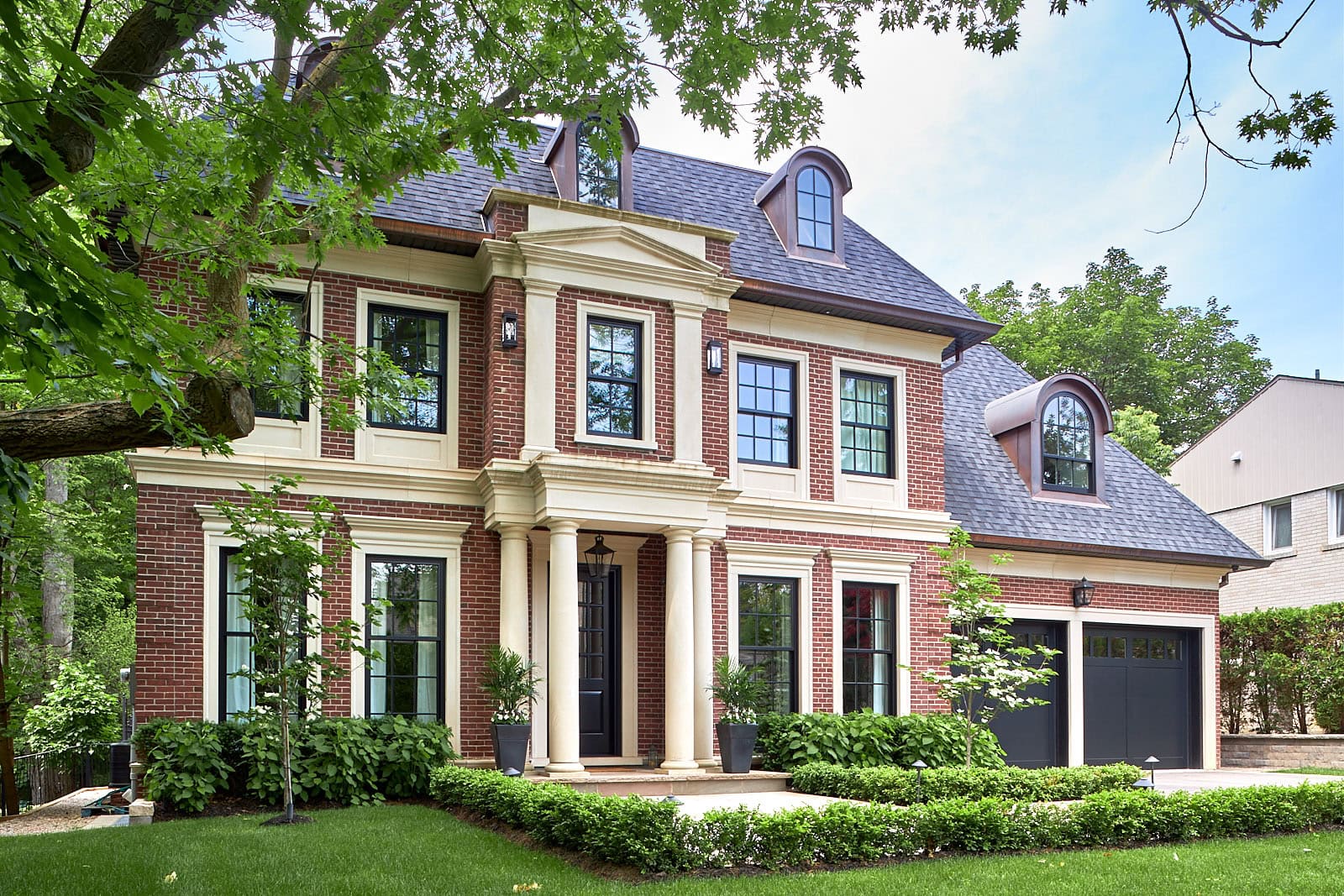
One of the biggest challenges we see in custom home design is homeowners trying to combine too many ideas from too many sources.
Social media has given us endless inspiration, but it has also made it easier to assemble a collection of disconnected design elements that don’t belong together.
A modern staircase. A farmhouse kitchen. A Mediterranean exterior. A contemporary fireplace.
Individually, each element may be beautiful. Together, they can create a home that lacks a clear identity.
Our advice is always the same: before thinking about style, think about how you want your home to feel. Too often, homeowners begin by collecting images without first establishing a vision. The result can be a collection of beautiful ideas that don’t quite belong together. Defining the feeling of the home first creates a filter through which every design decision can be evaluated.
Do you want it to feel warm? Cozy? Relaxed? Refined? Formal? Architectural? Bold?
Establishing that emotional foundation early helps guide every design decision that follows.
The Pendulum Always Swings
Architecture has always moved in cycles.
From one decade to the next, design preferences shift. Modern gives way to traditional. Traditional gives way to contemporary. Then the cycle repeats.
Right now, the pendulum appears to be swinging toward traditional architecture.
Not because modern design has failed, but because homeowners are craving qualities that traditional architecture naturally provides: familiarity, comfort, and character.
Good Design Is Timeless
At David Small Designs, we don’t believe one architectural style is inherently better than another.
A modern home can be timeless.
A traditional home can be timeless.
A transitional home can be timeless.
The common thread isn’t style. It’s discipline, consistency, and a commitment to the fundamental principles of that architectural language.
The most successful homes have a clear vision, respect their surroundings, and avoid chasing short-lived trends.
When a home is thoughtfully designed and executed with care, it doesn’t matter whether it’s traditional or modern.
It simply feels right.
And that’s what timeless design has always been about.