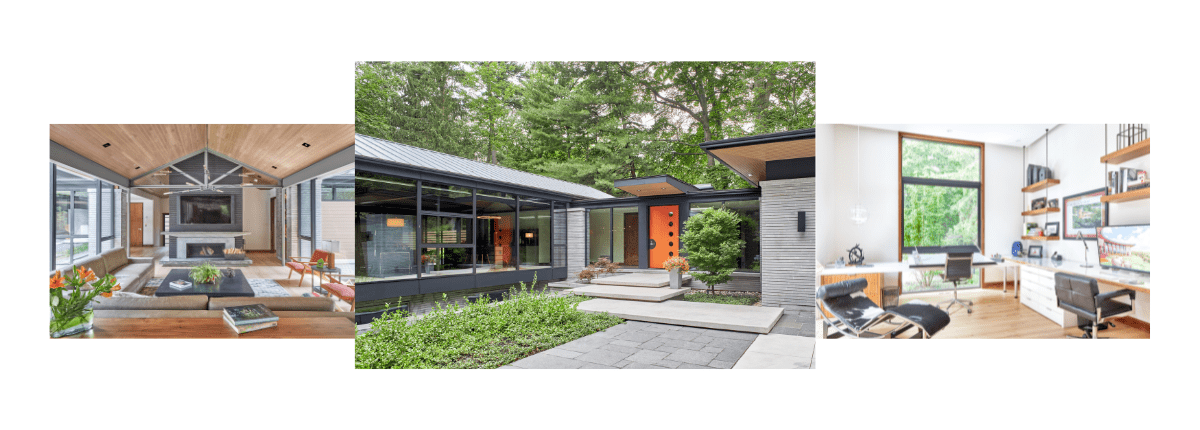

Should You Renovate or Build New? How to Decide What’s Right for Your Home
At some point, many homeowners reach a crossroads with their home. The space may no longer suit their lifestyle, the layout may feel dated, or the house simply no longer reflects how they want to live.
The question that often follows is a simple one: should we renovate our existing home, or build new?
At first glance, renovation can appear to be the more straightforward option. After all, the home already exists, and the assumption is often that improving what is there will be easier and less expensive than starting over. But the reality is that the decision between renovating and rebuilding involves several important considerations, including budget, expectations for the finished home, regulatory approvals, and long-term plans for the property.
In many cases, the right answer only becomes clear once the existing home and site are carefully evaluated.
Start With Your Expectations
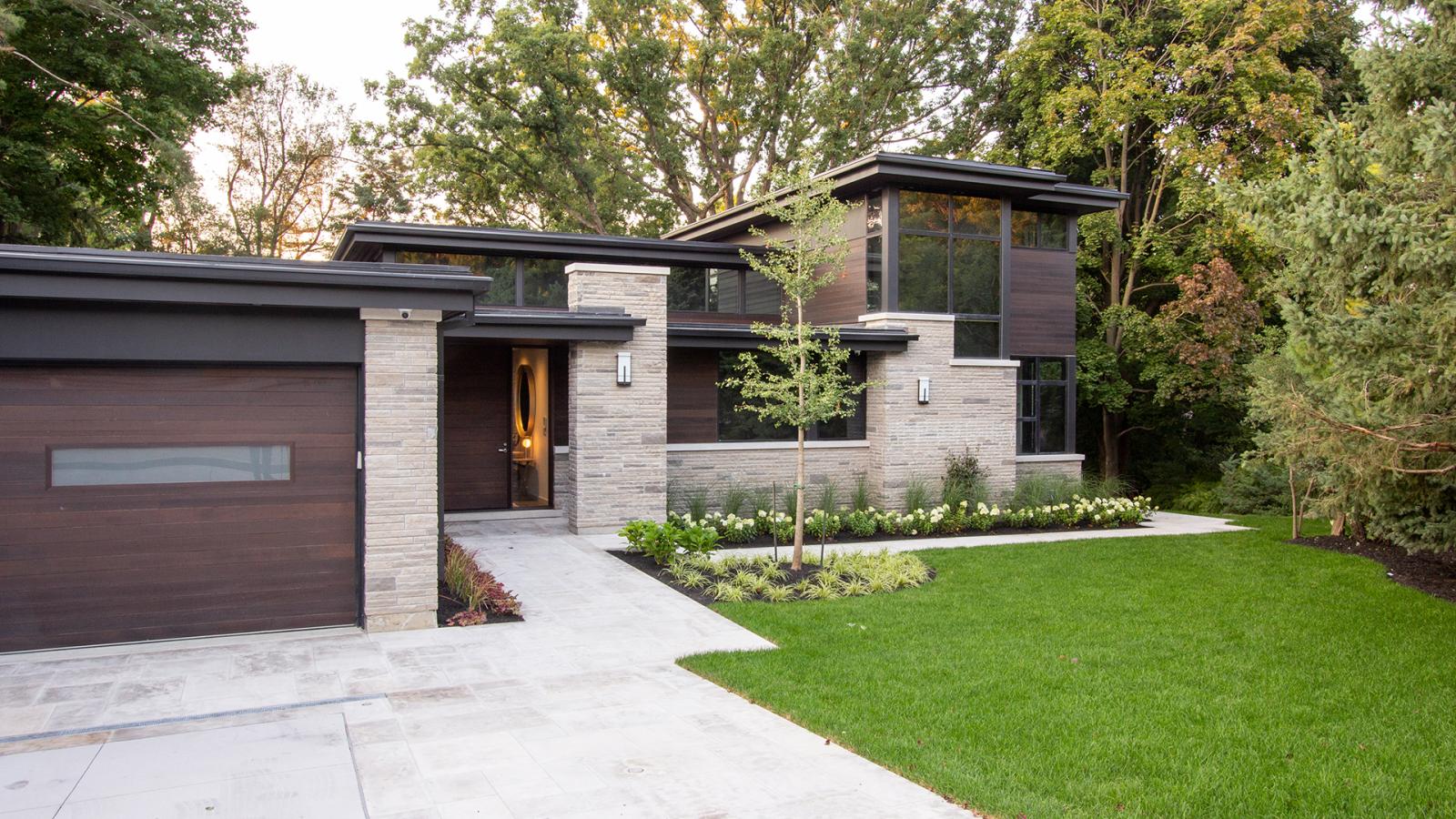
One of the most important questions to ask early in the process is what you ultimately want the finished home to feel like.
If the goal is to refresh and modernize the home while maintaining much of its existing character, renovation can be an excellent solution. Many homes have qualities that are worth preserving—whether that is architectural character, mature landscaping, or simply the way the home sits comfortably within the neighbourhood.
However, if your vision is closer to the experience of a new custom home, renovation can come with limitations. Existing homes often carry structural constraints that are difficult or costly to change. Ceiling heights, basement depths, structural walls, and mechanical systems all influence what can realistically be achieved.
The placement of the home on the lot is another factor. When renovating, the house must remain where it is, which can limit opportunities to optimize views, natural light, or outdoor living spaces.
For homeowners hoping to achieve modern proportions, higher ceilings, and a completely reimagined layout, starting fresh can sometimes offer far greater design freedom.
Budget, End Result, and Long-Term Plans
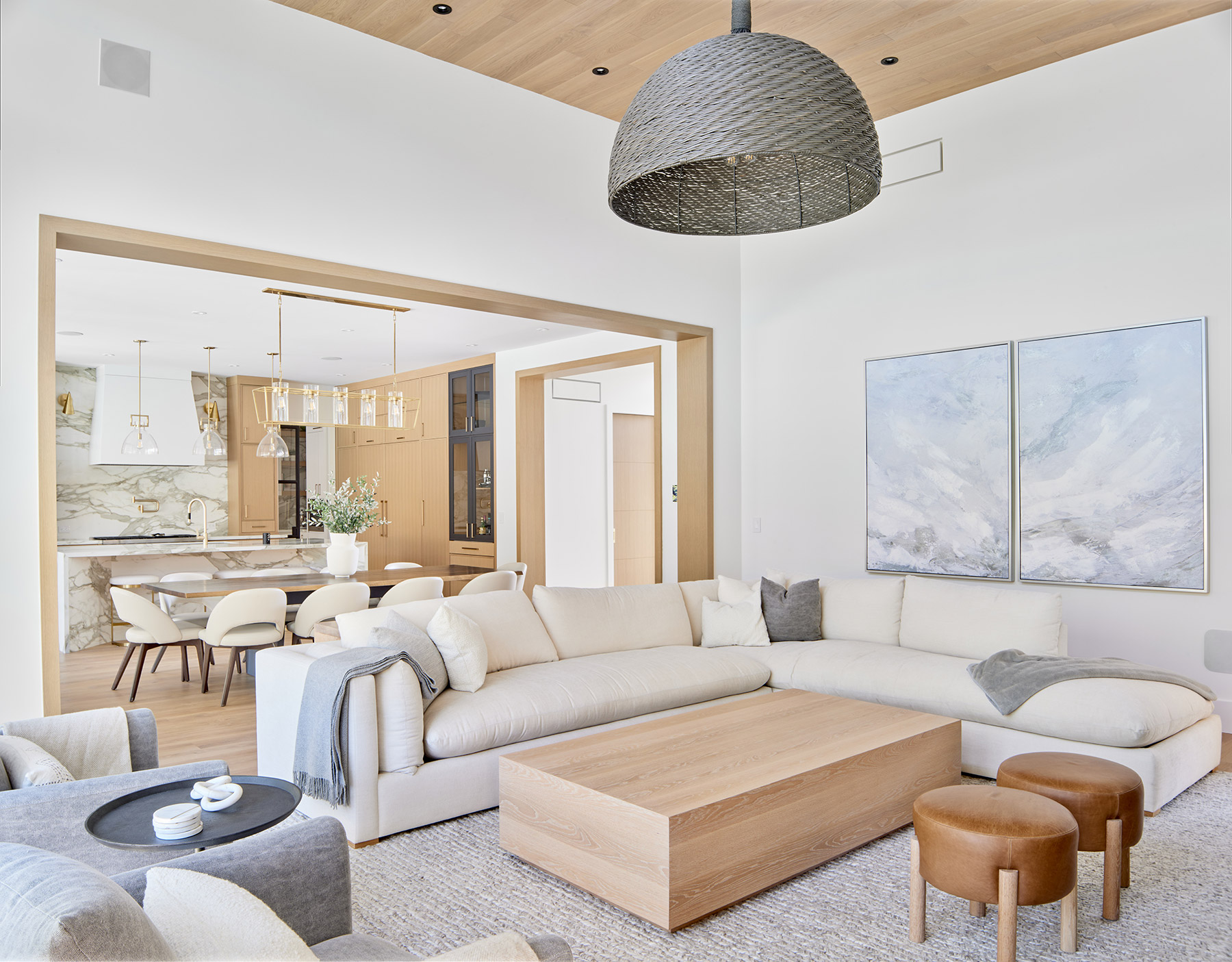
For many homeowners, the decision between renovating and building new ultimately becomes a balance between budget, the desired end result, and how long they plan to remain in the home.
In some cases, the decision is relatively straightforward. If the available budget comfortably supports a renovation but does not extend to the cost of rebuilding, then renovating becomes the practical path forward. A well-considered renovation can still dramatically improve how the home functions and feels while remaining within a comfortable investment range.
When homeowners have the financial flexibility to pursue either option, the discussion often shifts to the relationship between renovation cost and the final outcome.
Even if a renovation costs less than rebuilding, the finished home may still retain certain limitations tied to the existing structure—such as ceiling heights or structural constraints. While these compromises may be perfectly acceptable during everyday living, they can become more noticeable when considering long-term resale value.
Market expectations for homes continue to evolve. Features such as higher ceilings, open layouts, and strong connections to outdoor spaces have become increasingly common. If a renovation requires a significant investment but still leaves some of these constraints in place, homeowners should consider how that may influence future resale.
Length of stay therefore plays an important role in the decision. If a family plans to remain in the home for many years—often ten or more—the renovation may make complete sense even if it is not the most efficient construction path. Over time, appreciation may help absorb the investment, and in many cases the enjoyment the family receives from the home becomes more important than strict financial return.
In that sense, renovation can be viewed not only as a financial decision but also as a long-term lifestyle investment.
Renovations Are Not Always the Less Expensive Option
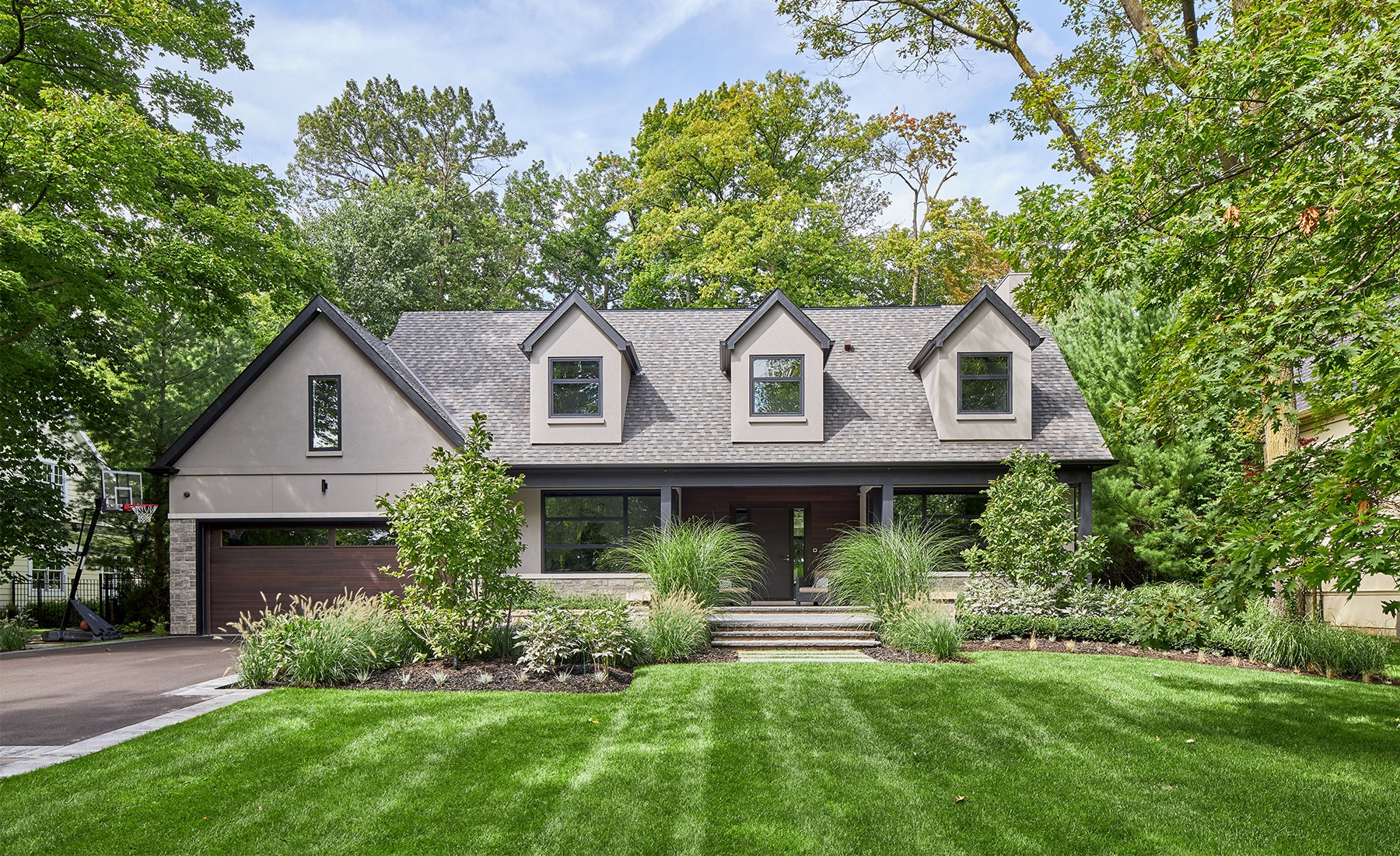
Many homeowners assume that renovating will automatically cost less than building a new home. In some situations that is certainly true, particularly when the project focuses on updating interiors or making targeted improvements to the layout.
However, when renovations involve substantial additions or large portions of the home being reworked, costs can increase quickly.
Adding significant new space requires new foundations, structure, and rooflines, all while integrating with the existing home. At the same time, portions of the original structure may need to be reinforced or upgraded to meet current standards. These layers of complexity can make large-scale renovations surprisingly expensive.
Renovation projects also carry a degree of uncertainty. Once construction begins, previously hidden conditions behind walls, floors, or foundations can reveal structural issues, outdated systems, or moisture problems that must be addressed.
By contrast, building new allows the entire home to be designed and constructed efficiently from the ground up, often reducing the unknowns that can arise during renovation.
Renovations Are Not Always Faster
Another common assumption is that renovations move through design and approvals more quickly than new homes. In practice, the process is often very similar.
Both renovation and new construction projects typically require review by the same municipal departments, including zoning review and building permit approvals. In some cases, renovations can actually introduce additional complexity.
Many existing homes were built under older zoning bylaws that permitted conditions that are no longer allowed today. Setbacks, building height, lot coverage, or other elements may no longer comply with current regulations.
As a result, renovation projects frequently require an application to the Committee of Adjustment to address these non-complying conditions. This process involves preparing planning submissions, attending hearings, and waiting for approvals, all of which add time and cost to the project.
There is also a common belief that existing elements of the home will automatically be “grandfathered.” While that can sometimes be the case, it is not always guaranteed. Once substantial changes are proposed, municipalities may require certain aspects of the home to comply with current bylaws.
Understanding these requirements early can help homeowners plan timelines and expectations more realistically.
When Renovation Is the Right Choice
While rebuilding can offer greater flexibility in some situations, there are many cases where renovation is clearly the right path forward.
Some homes have strong architectural character or craftsmanship that would be difficult to recreate today. Others sit comfortably within their property in a way that already works well, benefiting from mature landscaping and an established relationship with the surrounding neighbourhood.
In these situations, renovation allows the home to evolve while preserving what already works.
Renovations can also make sense when the changes required are focused on improving functionality rather than dramatically altering the building. Reworking layouts, modernizing kitchens and living spaces, improving connections to outdoor areas, and upgrading mechanical systems can significantly enhance how a home lives without needing to start over.
For many homeowners, renovation also aligns best with the available investment for the project. Rather than viewing renovation as a compromise, it can be an opportunity to focus design efforts where they will have the greatest impact—transforming how the home functions while respecting the structure that already exists.
Understanding the Tipping Point Between Renovation and Rebuilding
One of the clearest tipping points between renovating and rebuilding often relates to ceiling heights and structural proportions.
Many older homes were built with ceiling heights that are lower than what homeowners expect today. If the goal is to significantly raise ceilings throughout the home, achieving that within the existing structure can become very challenging.
In many cases, increasing ceiling heights requires removing the existing roof structure and rebuilding exterior walls. Once that work extends down toward the foundation level, the project begins to resemble a rebuild rather than a renovation.
At that stage, maintaining the existing structure may no longer represent the most efficient use of the construction budget. Starting fresh can allow the home to be designed with the desired proportions and structure from the outset.
The Opportunities a New Build Can Provide
When homeowners do have the option to build new, it opens the door to design opportunities that may not be possible with an existing structure.
A new home allows the design to fully respond to the site and the way the family wants to live. The placement of the house on the property can be carefully considered to capture views, maximize natural light, and create more private outdoor spaces.
Interior spaces can be planned with ideal proportions, ceiling heights, and circulation patterns. Modern construction methods and building technologies also allow homes to perform far more efficiently than older houses, improving insulation, comfort, and long-term energy performance.
In some cases, site conditions or regulations may also influence the decision. Properties near water or environmentally sensitive areas may be subject to conservation authority regulations that dictate the size and placement of the home. Understanding these constraints early can help determine whether renovating or rebuilding will best unlock the potential of the property.
Function Matters More Than Size
Whether renovating or building new, one of the most common misconceptions in residential design is that more space automatically results in a better home.
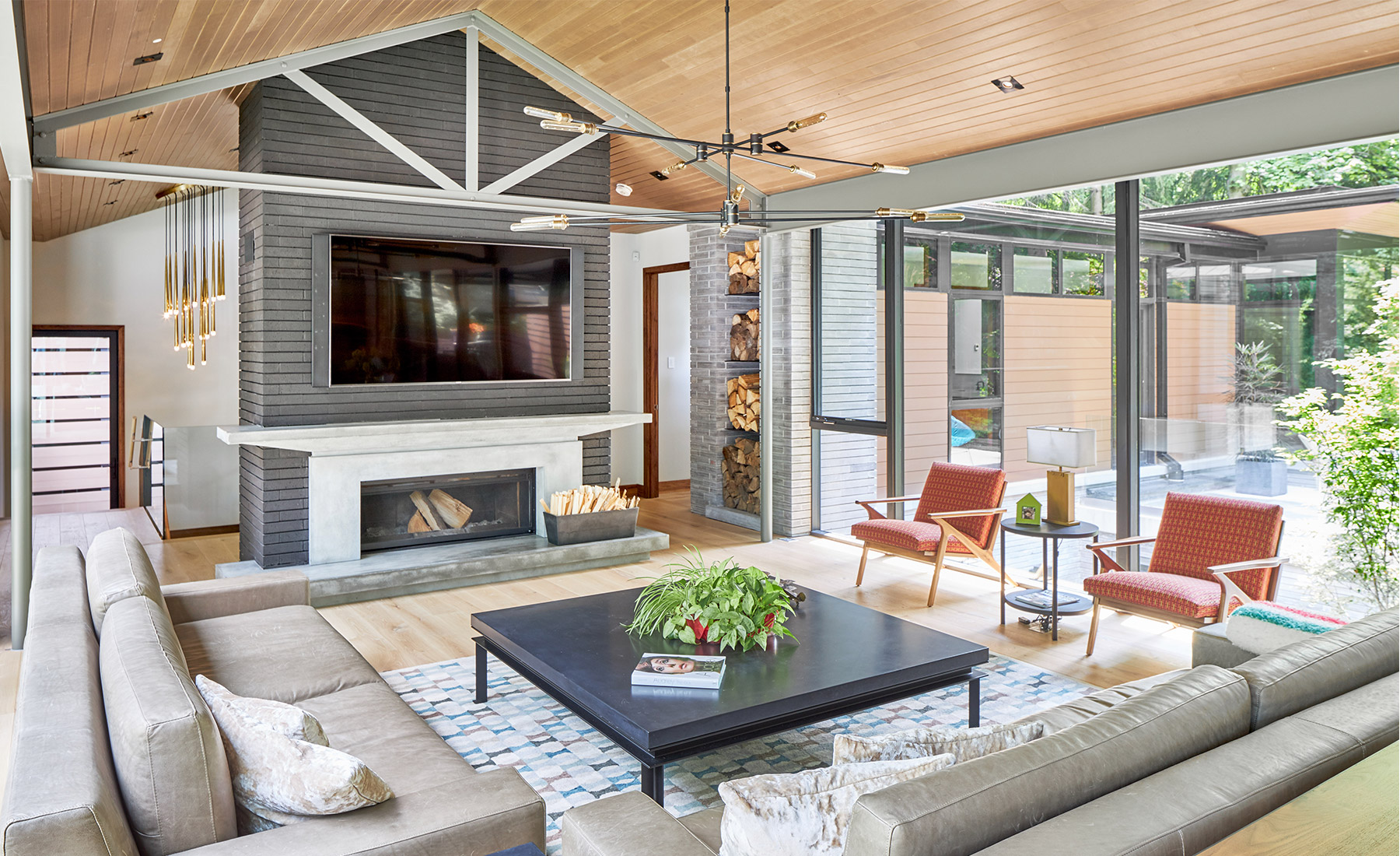
In reality, the success of a home is often determined by the quality of its layout rather than its square footage. Thoughtful design considers how spaces connect, how natural light moves through the home, and how rooms support everyday living.
Often, improving the functionality and flow of a home can dramatically enhance how it lives without significantly increasing its size.
Every Home Requires Its Own Answer
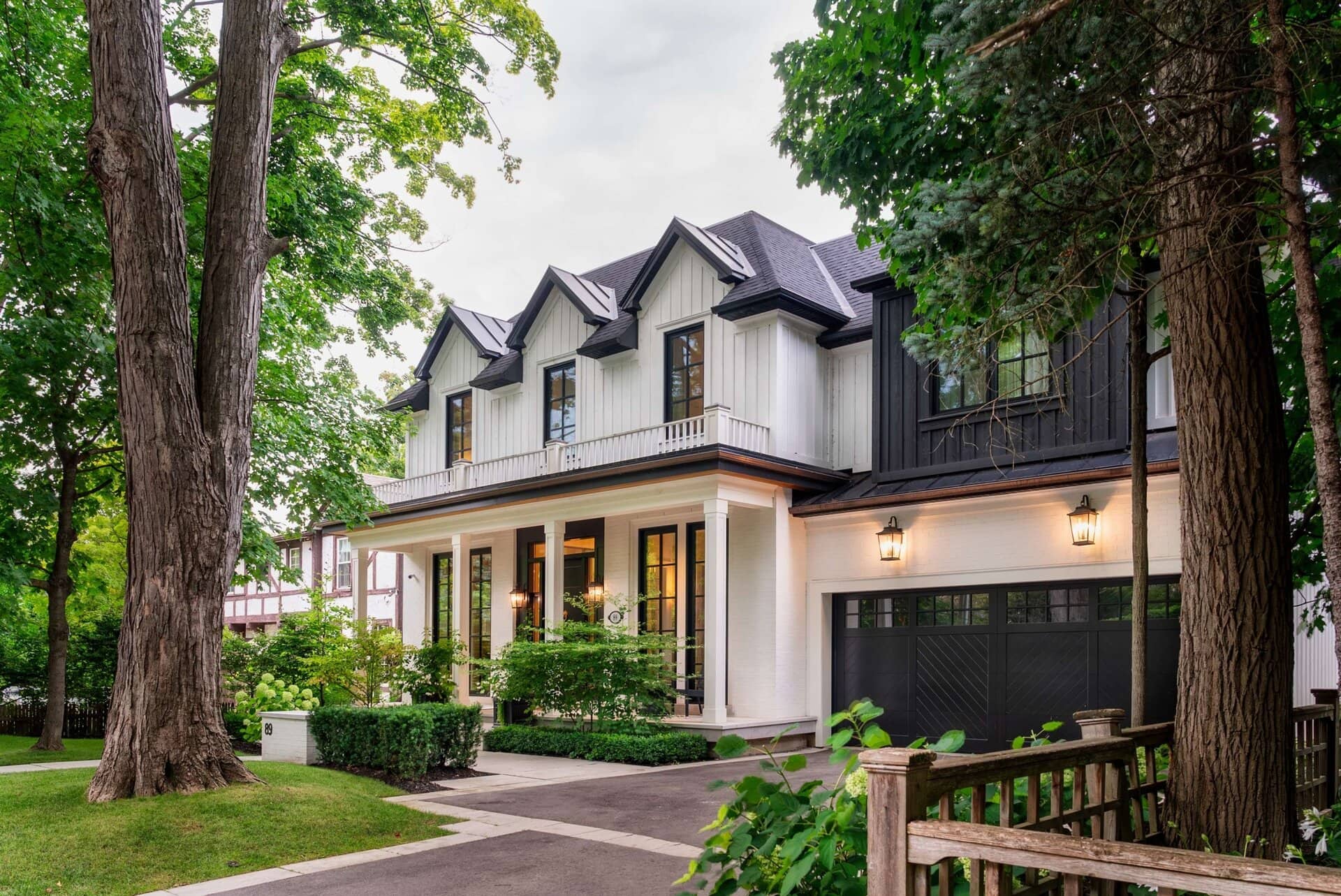
Ultimately, the decision between renovating and building new depends on a unique combination of factors: the existing home, the property, the homeowner’s goals, and their long-term plans.
Some homes have architectural character or sentimental value that makes renovation the clear choice. In other situations, rebuilding allows homeowners to fully realize the potential of the property and create a home designed for the future.
The most important first step is understanding the possibilities—and the constraints—before committing to either path.
Considering a Renovation or New Custom Home? Deciding whether to renovate or build new is one of the most important early decisions in the design process.
At David Small Designs, we work closely with homeowners to evaluate their existing home, understand the property, and explore the design possibilities before determining the best path forward. If you’re considering a renovation or new build, connect with our team to start the conversation.