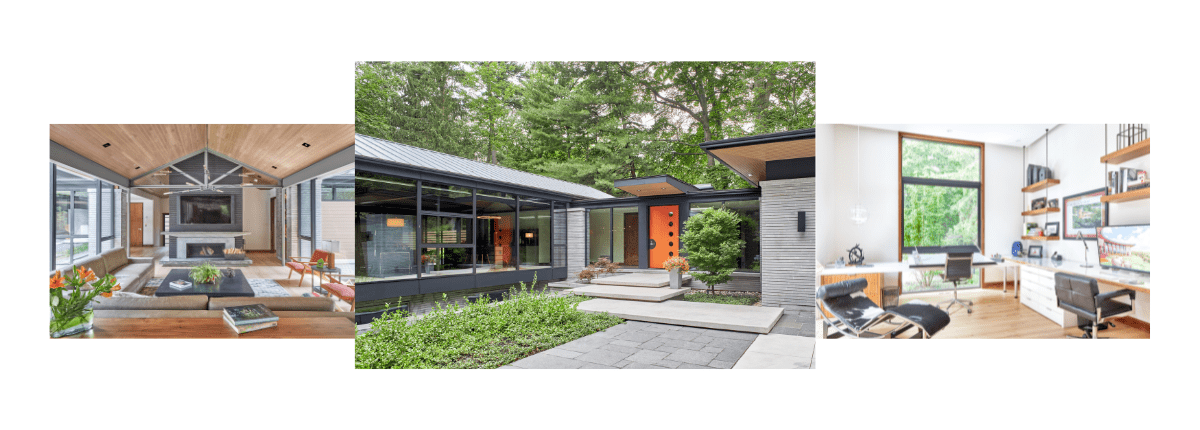

What is Net Zero? A Clear Guide for Homeowners
As energy efficiency becomes a more prominent part of residential design, many homeowners are hearing the term “Net Zero”—often with mixed or unclear explanations.
At its core, Net Zero is about performance. But what does that actually mean for your home, your lifestyle, and your project?
What is Net Zero?
In technical terms, a Net Zero home produces as much energy as it consumes over the course of a year.
In simpler terms:
Your home is designed to be so efficient that the energy it needs to operate is offset by energy it generates—typically through renewable systems like solar panels.
While the home may still draw energy from the grid at times, over the course of a year, it balances out.
What Does That Really Mean in Practice?
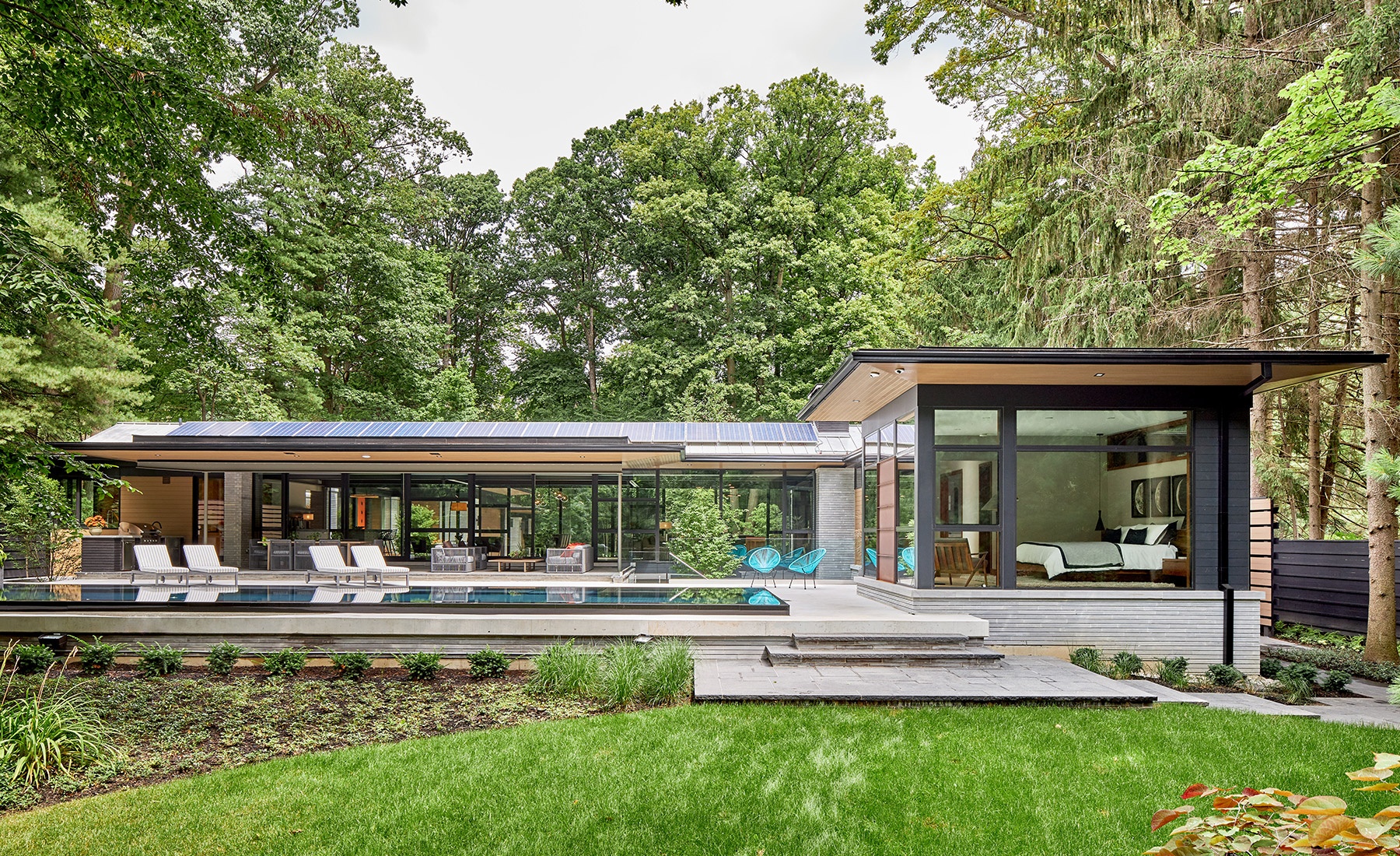
Net Zero is not just about adding solar panels—it starts with how the home is designed and built.
There are two parts to the equation:
1. Reducing Energy Demand
The home is designed to use as little energy as possible through:
- High-performance insulation
- Airtight construction
- High-quality windows and doors
- Efficient mechanical systems
2. Producing Energy
Once energy demand is minimized, renewable systems are introduced to offset usage:
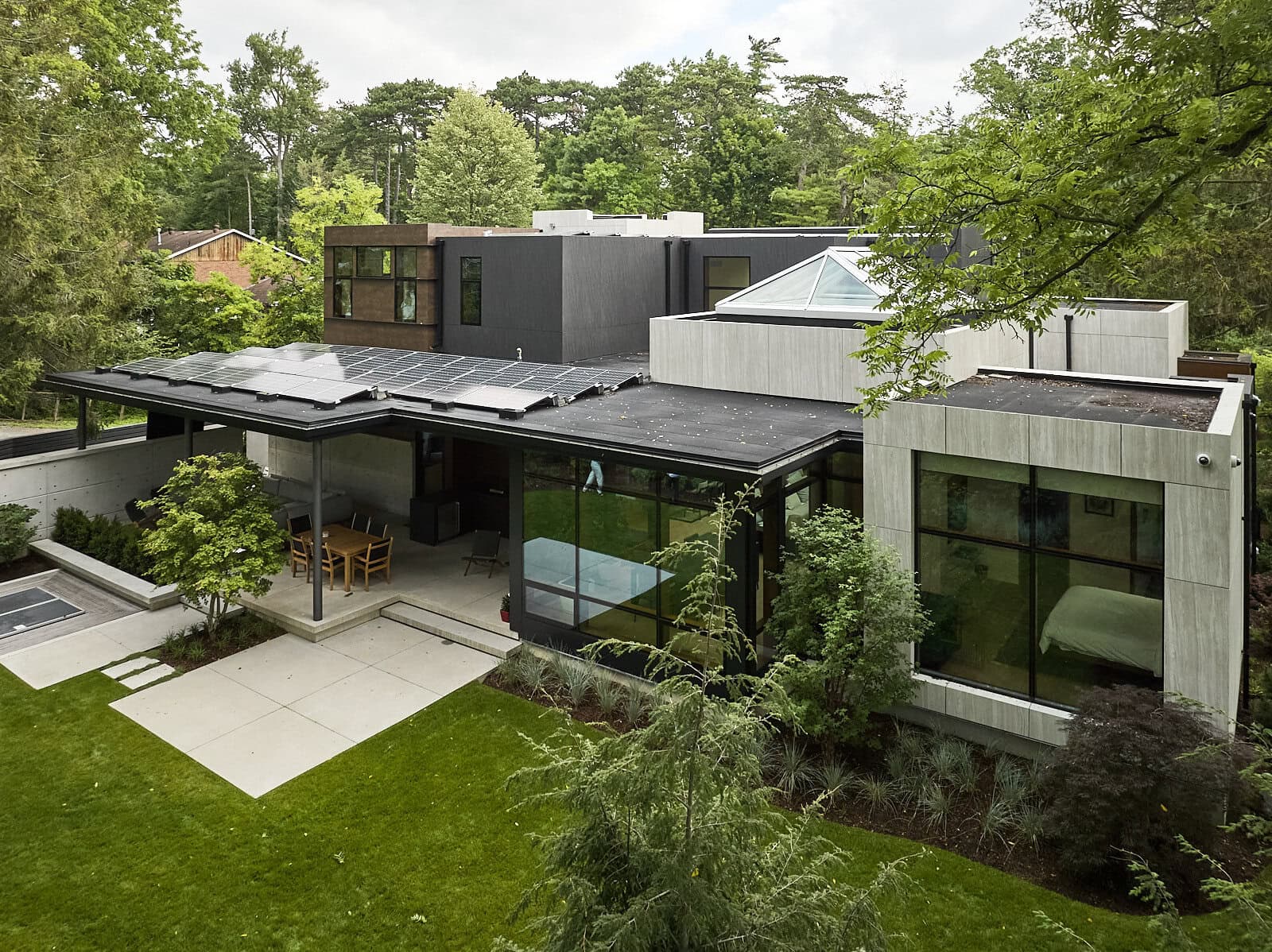
- Solar panels (most common)
- Geothermal systems
- Other alternative energy sources
The result is a home that is both efficient and self-sustaining.
Is Net Zero Right for Every Project?
Not always—achieving Net Zero depends on a few key factors:
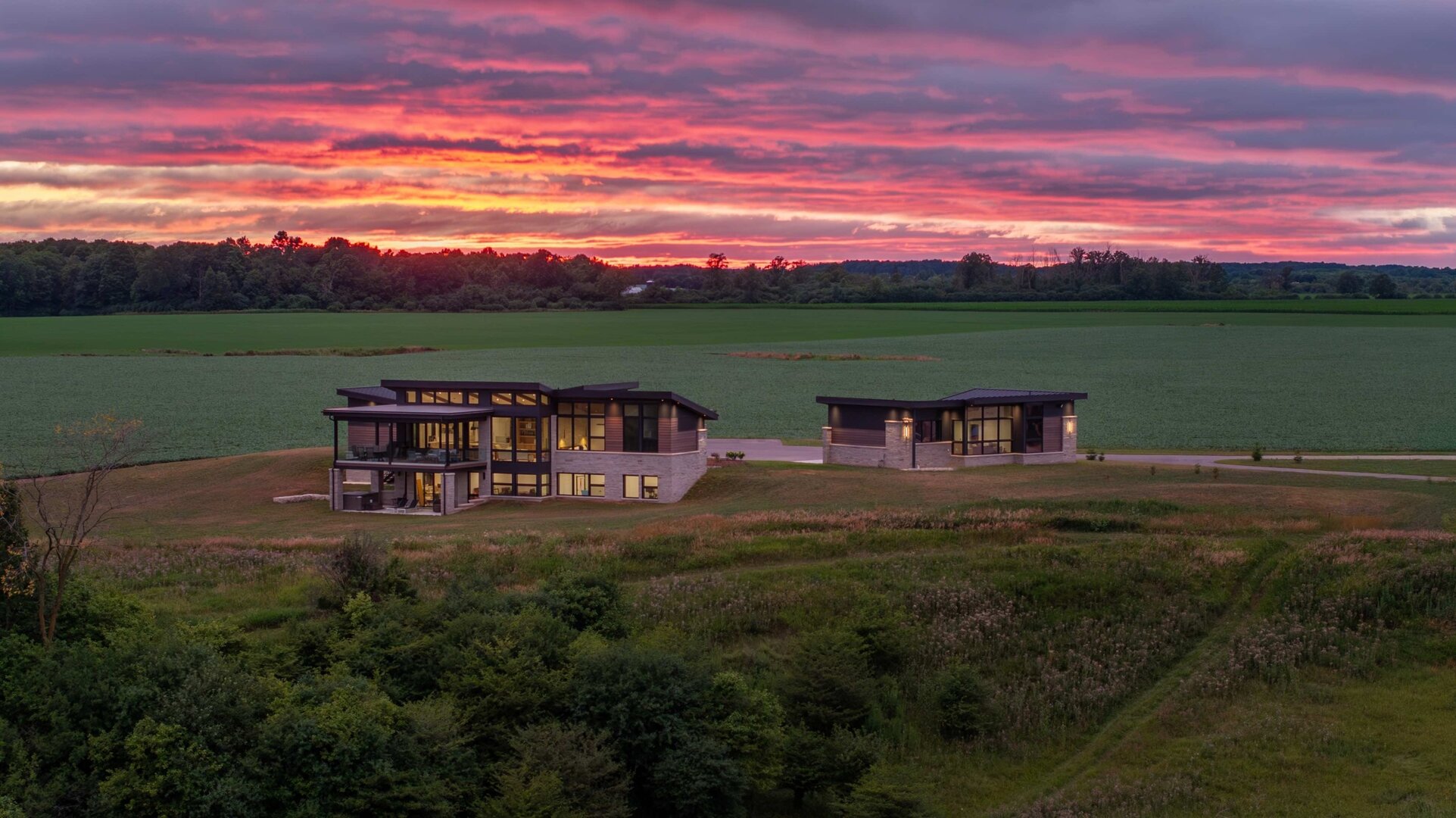
- Site conditions – roof form and orientation, tree coverage, and overall lot constraints all impact the ability to generate solar energy efficiently
- Budget considerations – renewable systems such as solar and geothermal require a higher upfront investment
Because of this, not every project is an ideal candidate for full Net Zero.
However, many of the principles behind Net Zero—particularly around building performance—can still be applied regardless of whether renewable systems are installed.
What is Net Zero Ready?
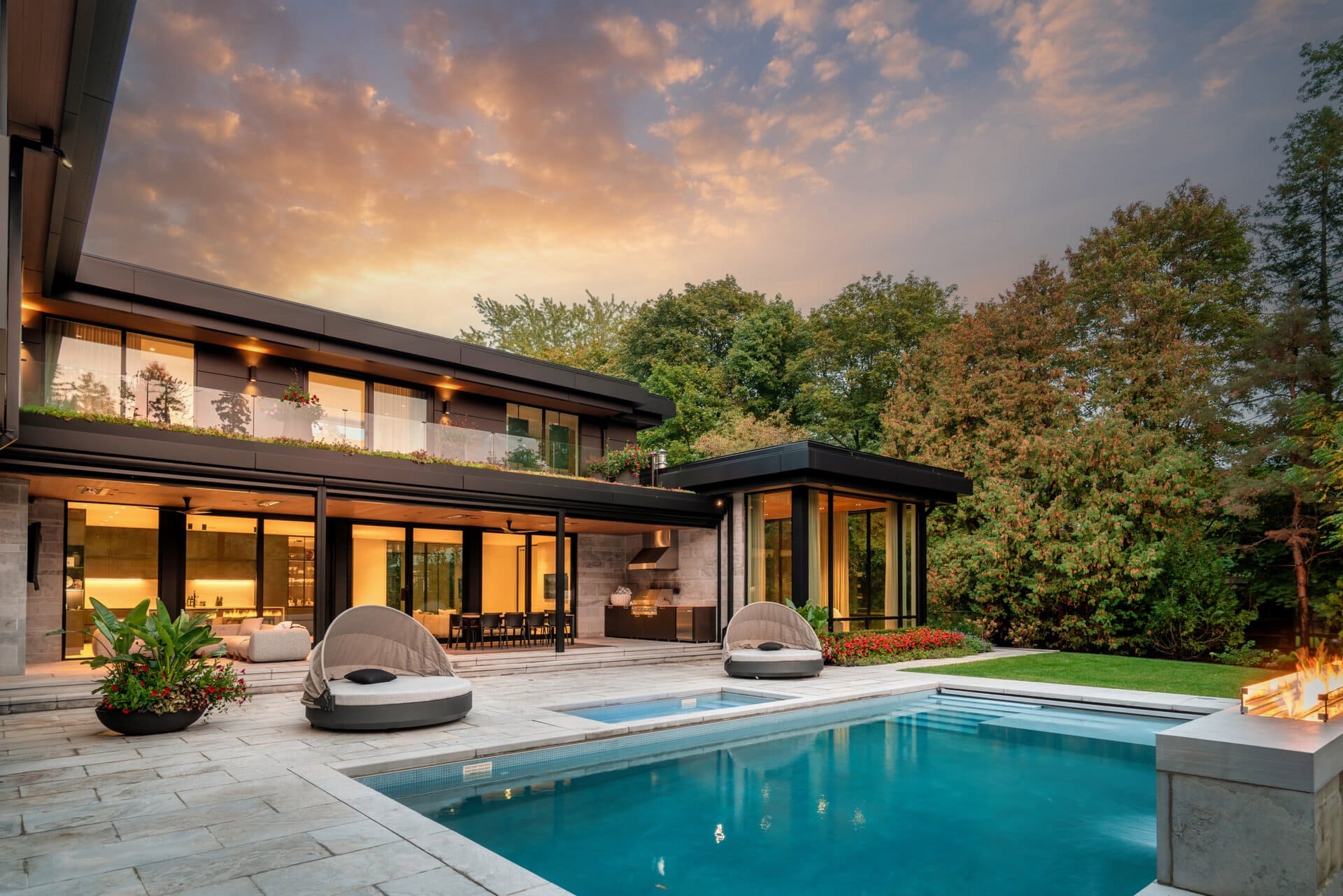
A Net Zero Ready home is designed and built to the same high-performance standard as a Net Zero home, but without the renewable energy systems in place.
This means:
- The home is highly efficient
- The infrastructure is in place to support future energy systems
- The decision to add renewable systems can be made later
For many homeowners, this creates flexibility—allowing decisions around energy systems to align with timing, budget, or evolving technology.
Benefits Beyond Energy Savings
While reduced energy consumption is often the headline, the real value of a high-performance home extends much further:
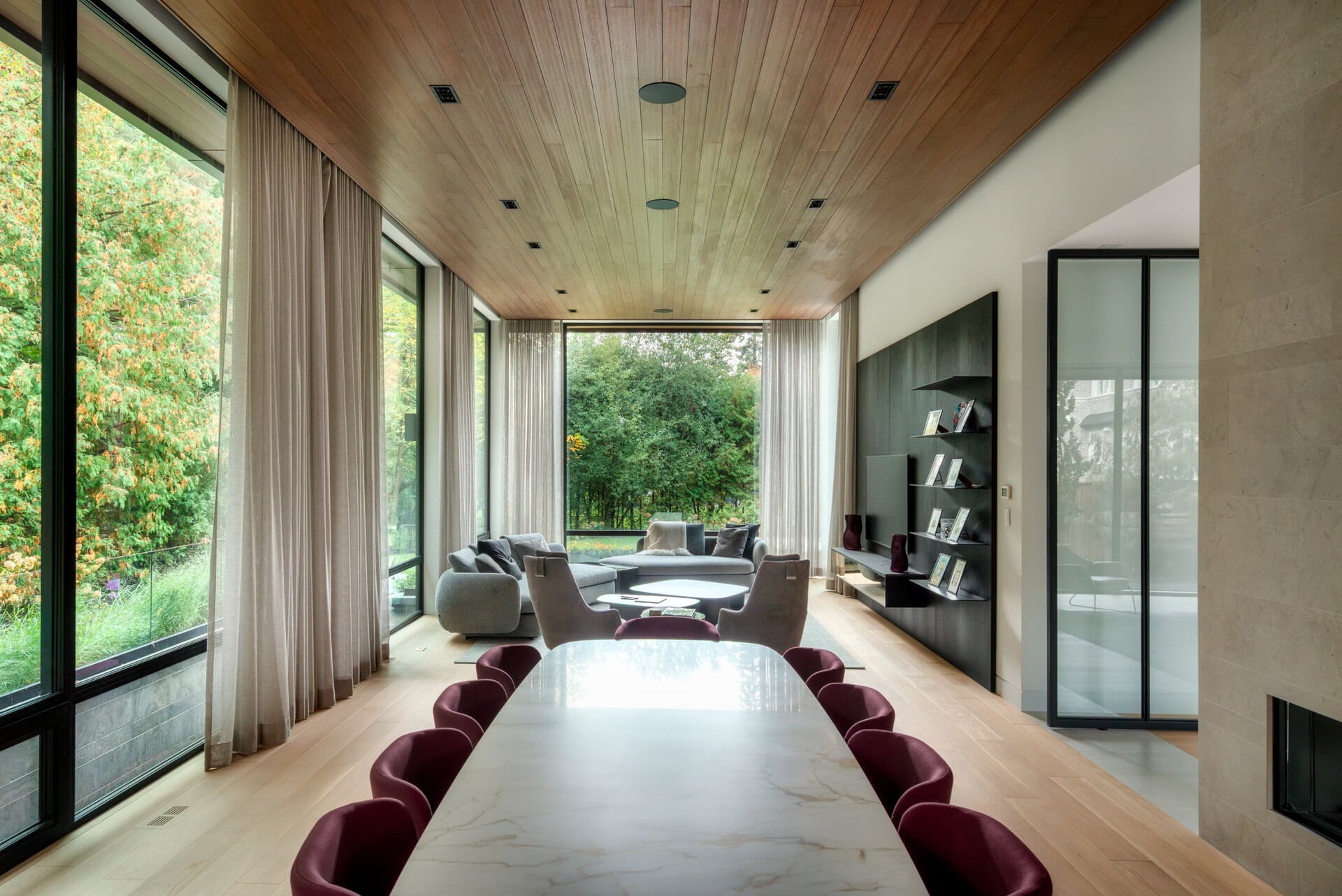
- A Healthier Indoor Environment
Improved ventilation systems and airtight construction lead to better indoor air quality and overall comfort. - Consistent Comfort
Fewer drafts, more stable temperatures, and better humidity control throughout the home. - Acoustic Performance
Enhanced wall assemblies help reduce exterior noise, creating a quieter interior environment. - Durability
A more robust building envelope can contribute to long-term performance and reduced maintenance risks. - Energy Flexibility
With evolving energy costs, having a home designed for efficiency—and potentially multiple energy sources—provides long-term adaptability.
Why This Decision Matters Early
One of the most important things to understand is that Net Zero is not something that can be layered on after the fact—it needs to be considered before the architectural design is finalized.
It directly influences key aspects of the home, including:
- Wall assemblies and overall building envelope
- Mechanical system strategy
- Structural coordination
- Spatial planning and proportions
When this is considered early, it allows the design to integrate these elements in a cohesive and intentional way—avoiding compromises later and supporting a more refined final result.
The Importance of Coordination
Delivering a high-performance home requires collaboration between:
- Architectural Designer
- Builder
- HVAC consultant
- Energy consultant
Equally important is working with a builder who understands the level of precision required on site. Many of the benefits—particularly airtightness and performance—are achieved through careful execution during construction.
Final Thoughts
Net Zero is often discussed in terms of energy—but at its best, it’s about creating a higher-performing home.
Understanding how it influences design allows for more informed decisions throughout the process. Whether or not a project achieves full Net Zero, these principles can significantly enhance the quality, comfort, and longevity of a home.
Our goal is to design homes that are not only beautiful and functional, but deeply considered—where performance is integrated into how the home is planned, built, and experienced over time.
Whether you are just beginning to explore your project or already underway, we welcome the opportunity to discuss how approaches such as Net Zero or Net Zero Ready may inform your home.