
Beyond the Rendering: Why Buildproof Matters When Choosing a Home Designer
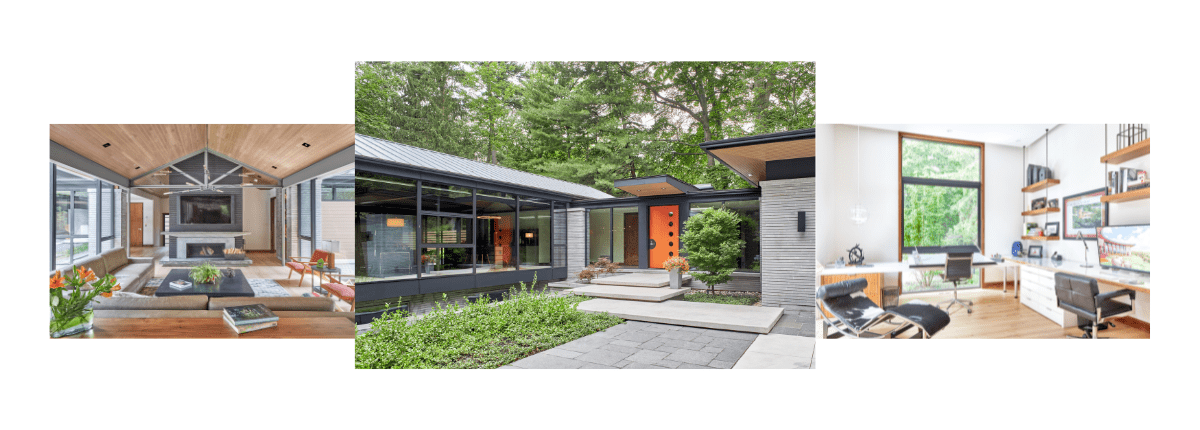
Buildproof™ is evidence that a designer’s ideas have successfully made the journey from concept to construction.
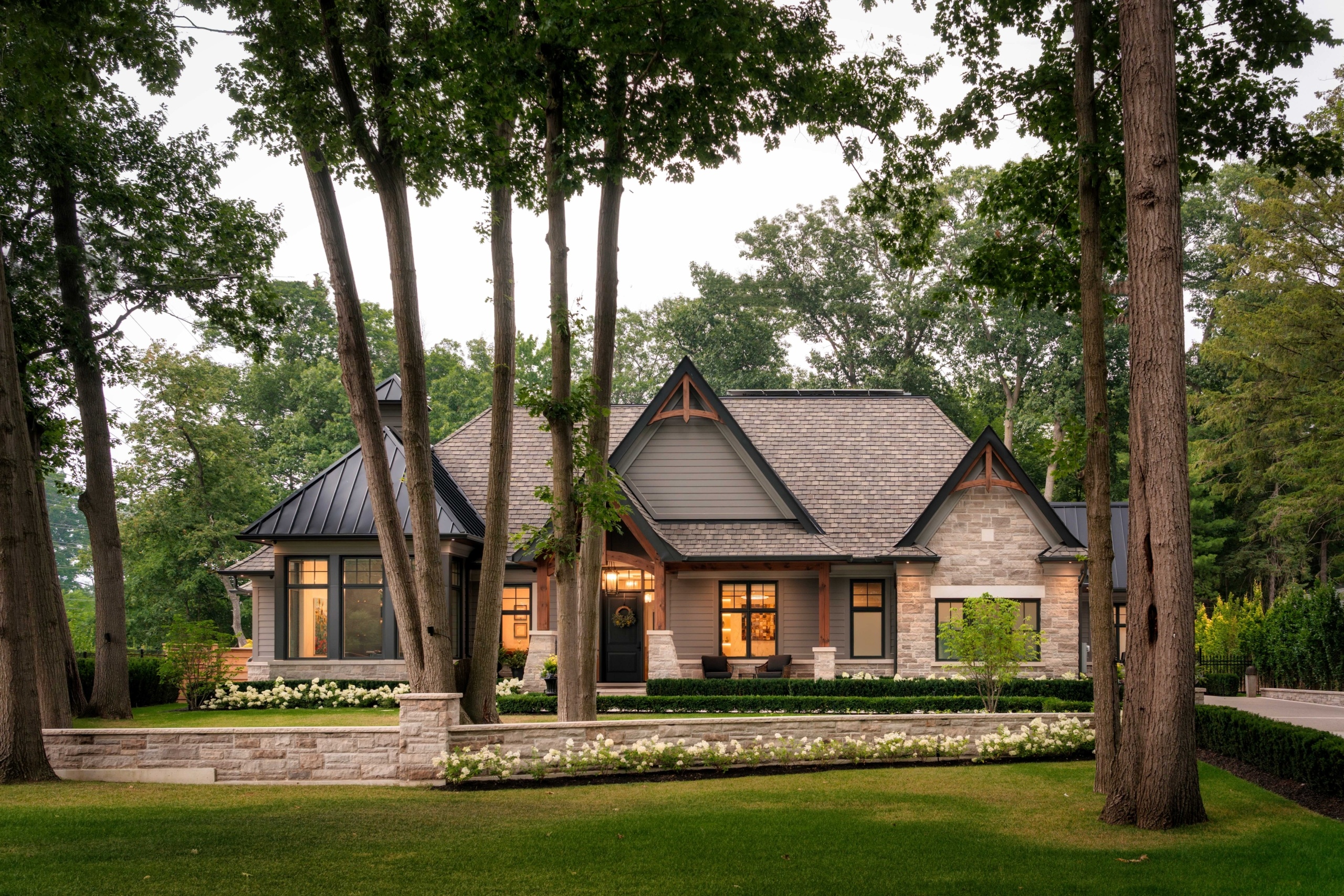
It can be found in a portfolio of real homes, built for real clients. Homes that demonstrate a designer can do more than produce compelling image—they can develop a design that works in the real world and can actually be built.
In an era of increasingly sophisticated architectural renderings, that distinction matters. A rendering shows what is imagined. Buildproof™ shows what has been realized.
Renderings Are Valuable—but They Aren’t the Whole Story
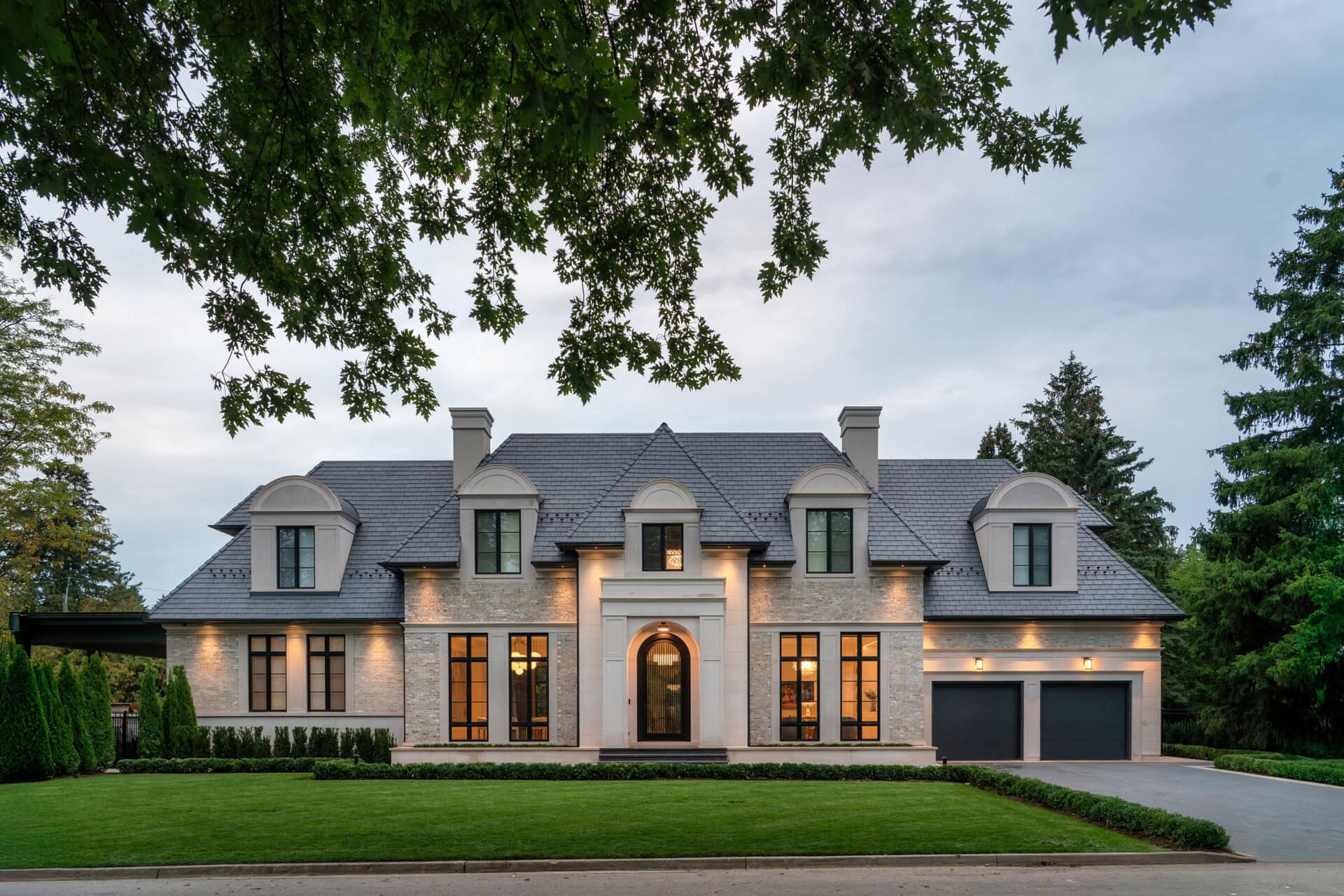
A custom home has a long journey from the first concept to the finished photograph.
Photorealistic rendering technology has become remarkably sophisticated. It is an incredibly valuable design tool, allowing homeowners to understand a proposed home and experience its architecture long before construction begins.
But a rendering represents a vision. It does not, on its own, demonstrate that the vision has successfully moved through technical development, approvals and construction.
Great design is only the beginning.
The greater test is whether the integrity of that design can be protected as hundreds of technical and construction decisions are made around it.
A designer with significant built experience accounts for those realities from the beginning. They aren’t designing solely for the image on the screen—they’re considering how that architecture will ultimately come together on site.
Why Buildproof Matters
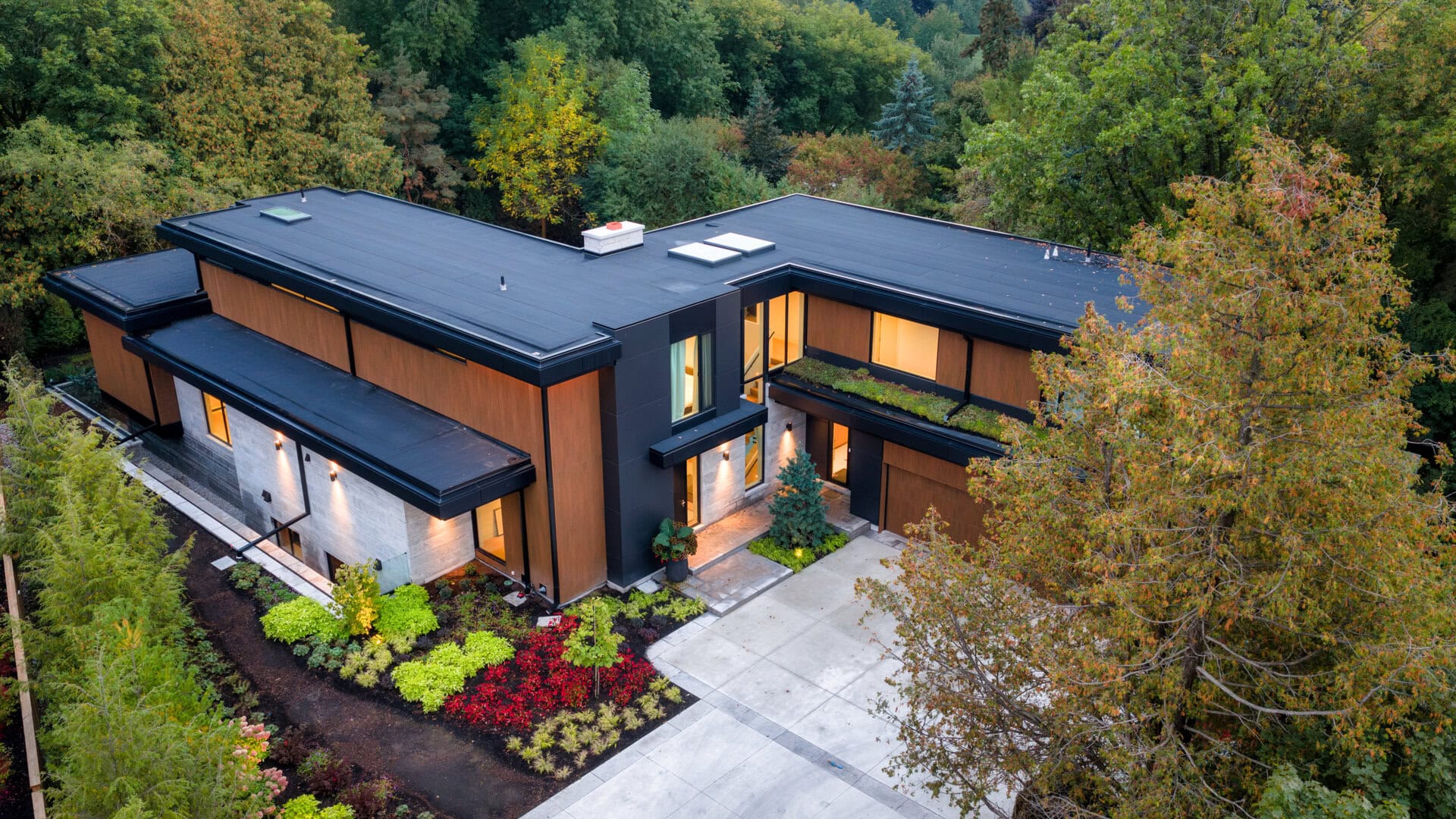
A substantial portfolio of completed homes provides evidence of something a rendering alone cannot: experience carrying design intent through to built reality.
It demonstrates that a designer has repeatedly navigated the technical coordination, approvals and construction considerations necessary to transform an architectural concept into a finished home.
Along the way, the architecture has to respond to zoning, grading and topography, structural requirements, mechanical systems, roof and floor systems, building codes, municipal approvals, construction methods, available materials, budgets and countless decisions involving consultants and trades.
The goal isn’t simply to design something beautiful. It’s to understand how to preserve what makes the design beautiful as it moves through technical development and construction.
What Buildproof™ Means for Your Project
Built experience does more than demonstrate what a designer has accomplished. It can make the design process more informed from the outset.
A designer who understands how homes move from drawings to construction is better equipped to anticipate coordination challenges, recognize where details require special attention and work productively with the consultants and trades involved.
That doesn’t mean construction will be free of challenges—custom homes are complex. It means your design team brings relevant experience to the decisions that arise, helping protect the clarity and character of the original vision.
The DSD Proof Point
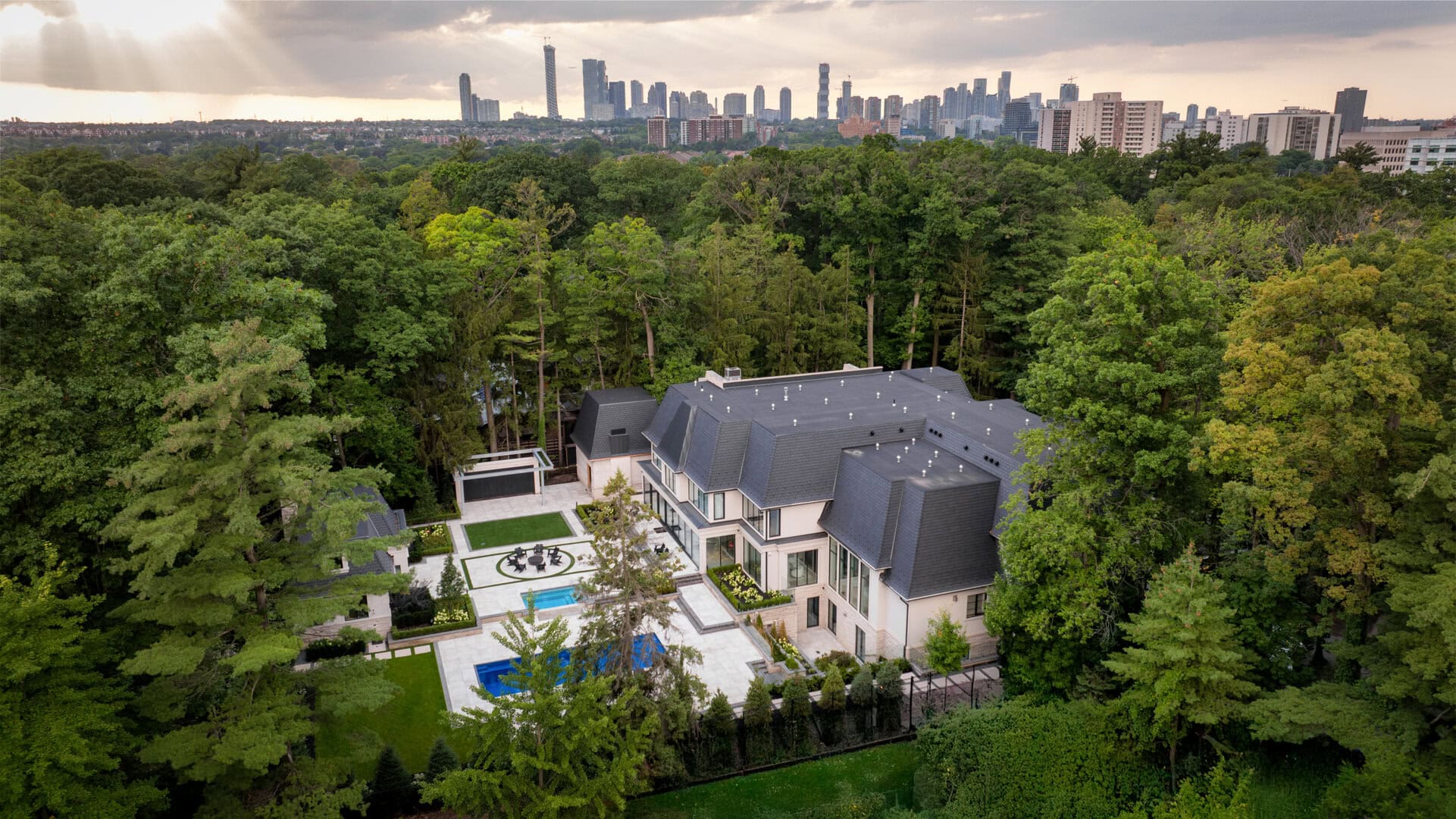
At David Small Designs, we’ve designed more than 2,200 custom homes.
Buildproof™ can be found throughout our portfolio, but our project map below tells the story particularly well. It shows DSD homes currently in design (yellow pins), under construction (green pins) and completed (red pins)—including hundreds of built homes that began as ideas on our drawing boards.
For us, complete homes are the ultimate measure of our work.
How to Evaluate a Designer’s Portfolio
A rendering demonstrates what a designer can envision. A completed-home photograph demonstrates what their team has successfully helped bring to life.
Homeowners should be able to tell whether the images in a portfolio represent conceptual work, projects under construction or completed homes.
When assessing a designer’s portfolio, verify rather than guess:
- Look for clear labels such as rendering, concept, proposed, under construction or completed.
- Look for several photographs of the same completed project, including different exterior views and interior spaces.
- Look for construction or progress photographs that connect the original design to the finished home.
When interviewing a designer, don’t just ask to see their best work. Ask to see their built work.
Designing a custom home requires you to place enormous trust in your architectural team. You’re not simply hiring someone to create an image you love. You’re hiring them to guide that idea through the realities of approvals, technical coordination and construction without losing what made the design special in the first place.
Great design matters.
Before choosing your designer, look beyond the rendering. Look for the Buildproof™.