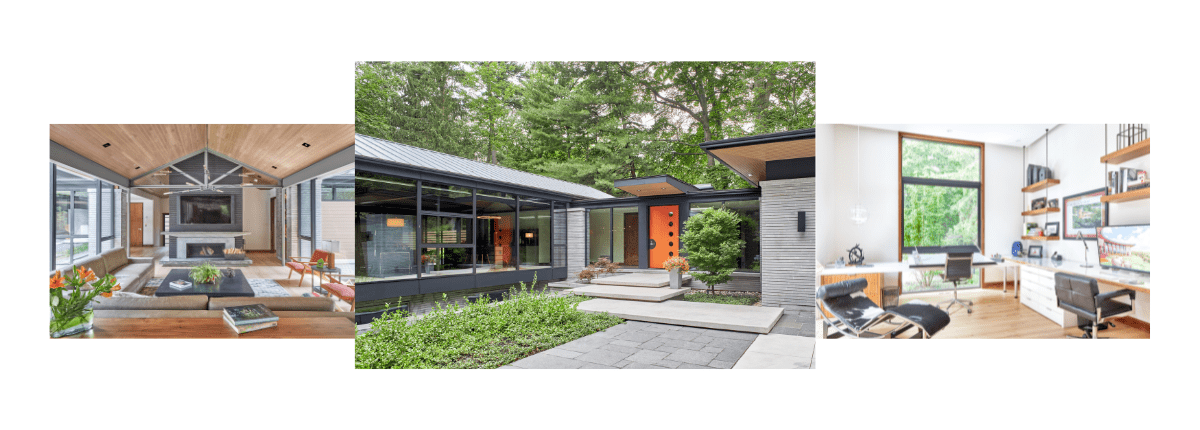

Designing The Last House™: Where Thoughtful Living Meets Lasting Design
For many homeowners, there comes a moment when the conversation around building or renovating shifts. It’s no longer about the next step—it’s about the final one. The Last House™ represents more than just a project; it’s a mindset, a philosophy, and a deeply personal approach to designing a home that will support, inspire, and adapt for the rest of one’s life.
This isn’t simply about building a beautiful house. It’s about creating a place that reflects a lifetime of experience, values, and aspirations—while anticipating the needs of the years ahead.
A Different Way of Thinking About Home
Designing The Last House™ requires a shift in perspective. Earlier homes are often shaped by immediate needs—growing families, career changes, or evolving lifestyles. But this final home is guided by clarity. Clients typically arrive with a stronger sense of what matters most: how they want to live day-to-day, how they want to feel in their space, and how their home can support them long-term.
It becomes more about intention. Every space, every connection, and every detail is considered through the lens of longevity and ease.
Rooted in Experience: Designing The Last House™
Our understanding of The Last House™ is not theoretical—it’s grounded in experience. When we first shared The Last House™ on our website, it captured a way of thinking that resonated deeply with homeowners. It articulated something many people were already feeling: the desire to create a home that would truly support them for the long term.
Since then, we’ve had the opportunity to design many homes that carry this same ethos. While each project is unique—shaped by its site, its architecture, and its owners—the underlying principles remain consistent. These homes are defined by thoughtful planning, quiet performance, and a focus on how people will live not just today, but years into the future.
Over time, this approach has continued to evolve. With each project, we refine how we integrate accessibility, performance, and design in a way that feels seamless—never forced. The result is a body of work that reflects a shared philosophy: homes designed to support a lifetime.
Designing for Aging in Place—Without Compromise
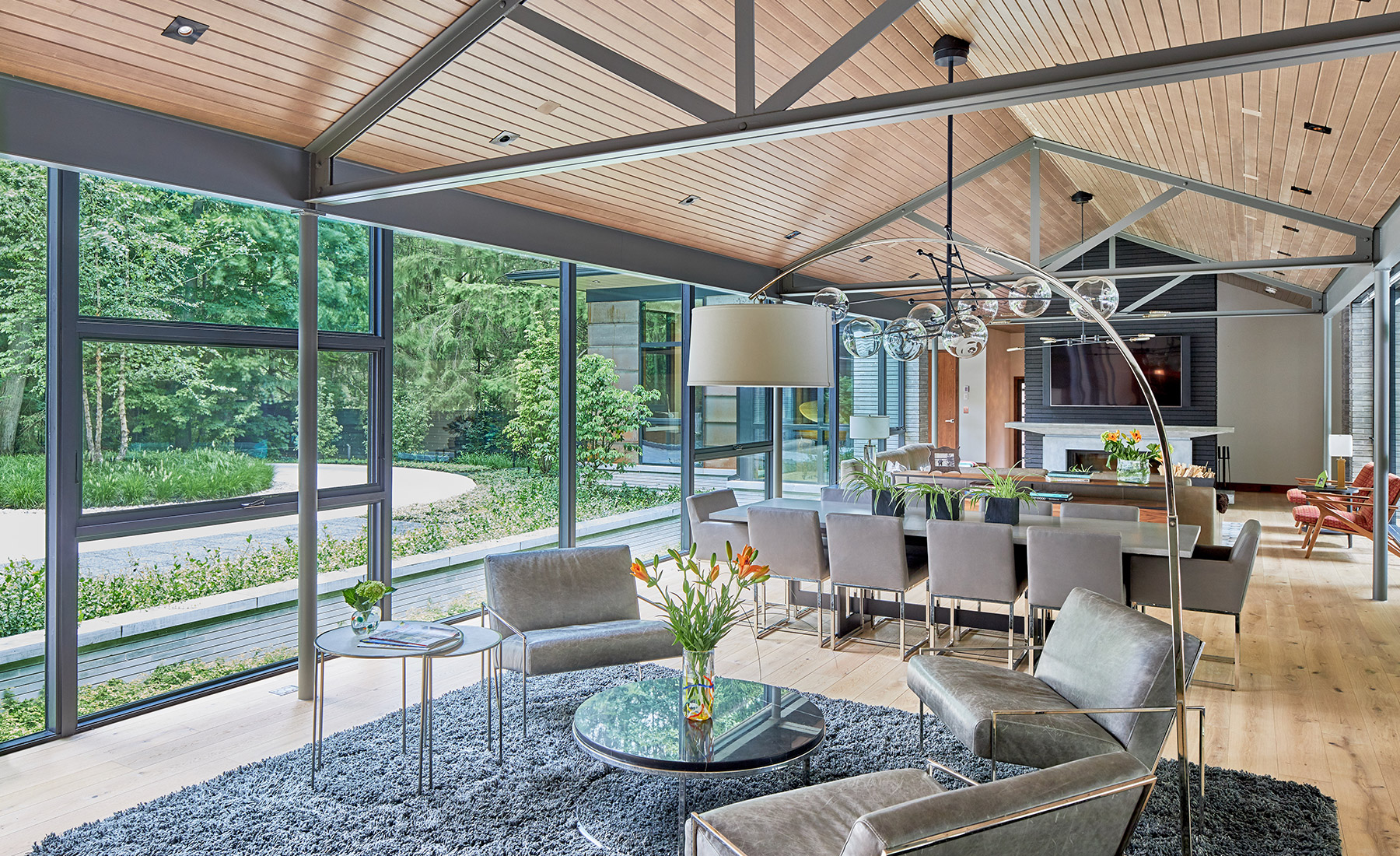
A central principle of The Last House™ is the ability to age in place gracefully. However, this doesn’t mean sacrificing aesthetics for accessibility. In fact, the most successful designs integrate these considerations seamlessly, so the home feels refined, not clinical.
Thoughtful strategies may include:
- Main floor living with primary suites easily accessible
- Integrated elevators or future-ready shaft spaces
- Wider circulation paths and barrier-free transitions
- Curbless showers and adaptable bathrooms
- Strategic lighting for safety and comfort
These elements are not afterthoughts—they are embedded into the design from the outset, ensuring the home evolves effortlessly with its owners.
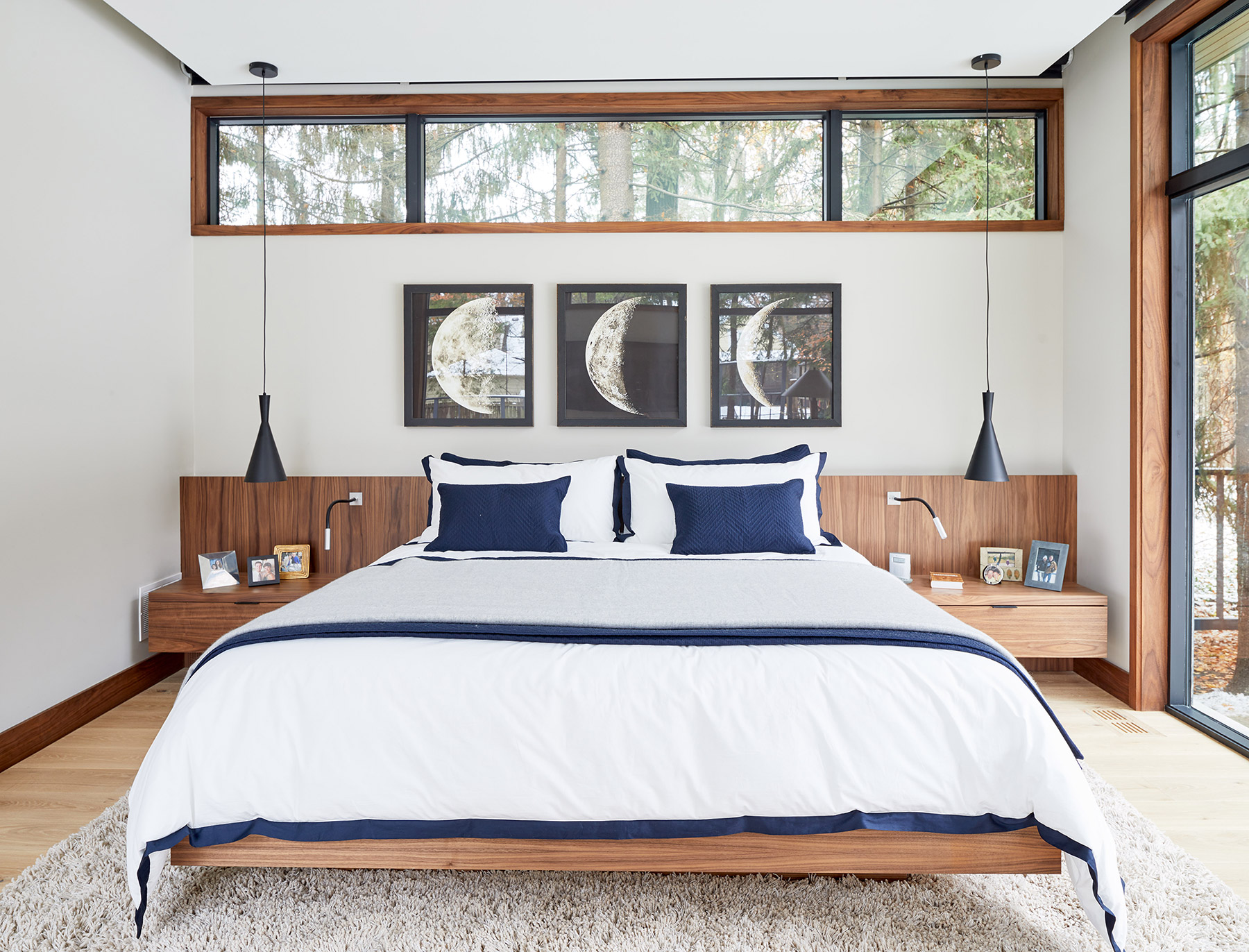
Performance, Comfort, and Longevity
Beyond spatial planning, The Last House™ must perform at the highest level. Comfort becomes paramount—not just in how the home looks, but in how it feels and functions every day.
High-performance design plays a critical role:
- Superior insulation and airtight construction for consistent indoor temperatures
- Advanced mechanical systems that enhance air quality and energy efficiency
- Durable, low-maintenance materials that stand the test of time
- Acoustic control for a quieter, more serene environment
These decisions contribute to a home that is not only more sustainable, but also more comfortable and resilient—reducing the need for future interventions.
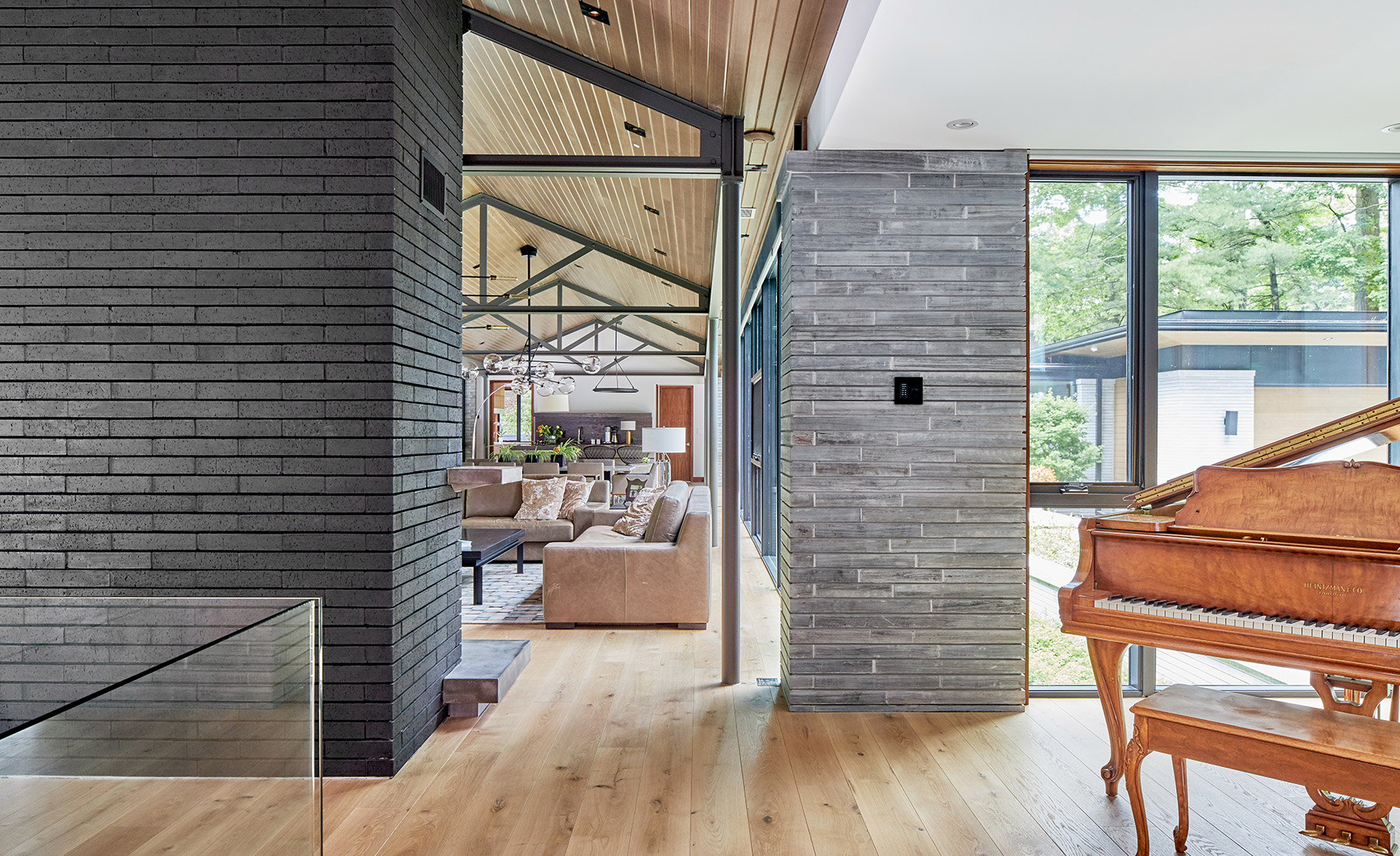
A Home That Reflects a Lifetime
For many, The Last House™ is the culmination of years—often decades—of hard work. It represents an opportunity to finally create a home that aligns fully with personal values and lifestyle, without compromise.
There’s a deeper emotional layer to this process. It’s about crafting spaces that support daily rituals, welcome family and friends, and foster a sense of peace and belonging. Whether it’s a kitchen designed for gathering, a quiet reading nook, or a seamless connection to the landscape, each element carries meaning.
Designing with Nostalgia and Meaning
An often overlooked—but deeply powerful—aspect of designing The Last House™ is the role of nostalgia. This is the opportunity to look back at the spaces and experiences that have shaped how you want to live, and to intentionally carry them forward.
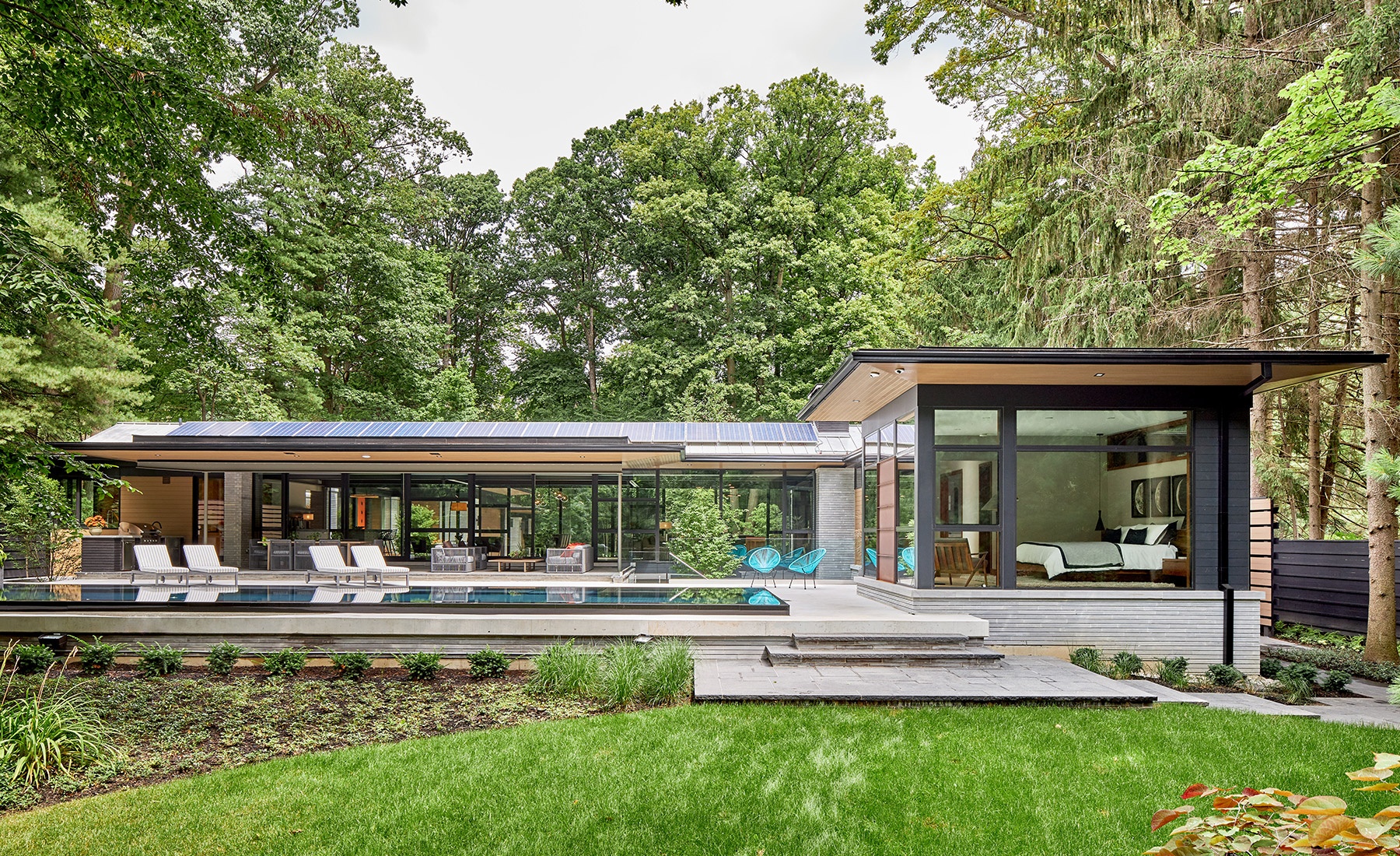
For some, it may be architectural. In this case, both David and his wife grew up in mid-century modern homes, which created a lasting connection to that style. In designing The Last House™, there was a desire to “bookend” that experience—revisiting those early influences through a more refined, modern interpretation.
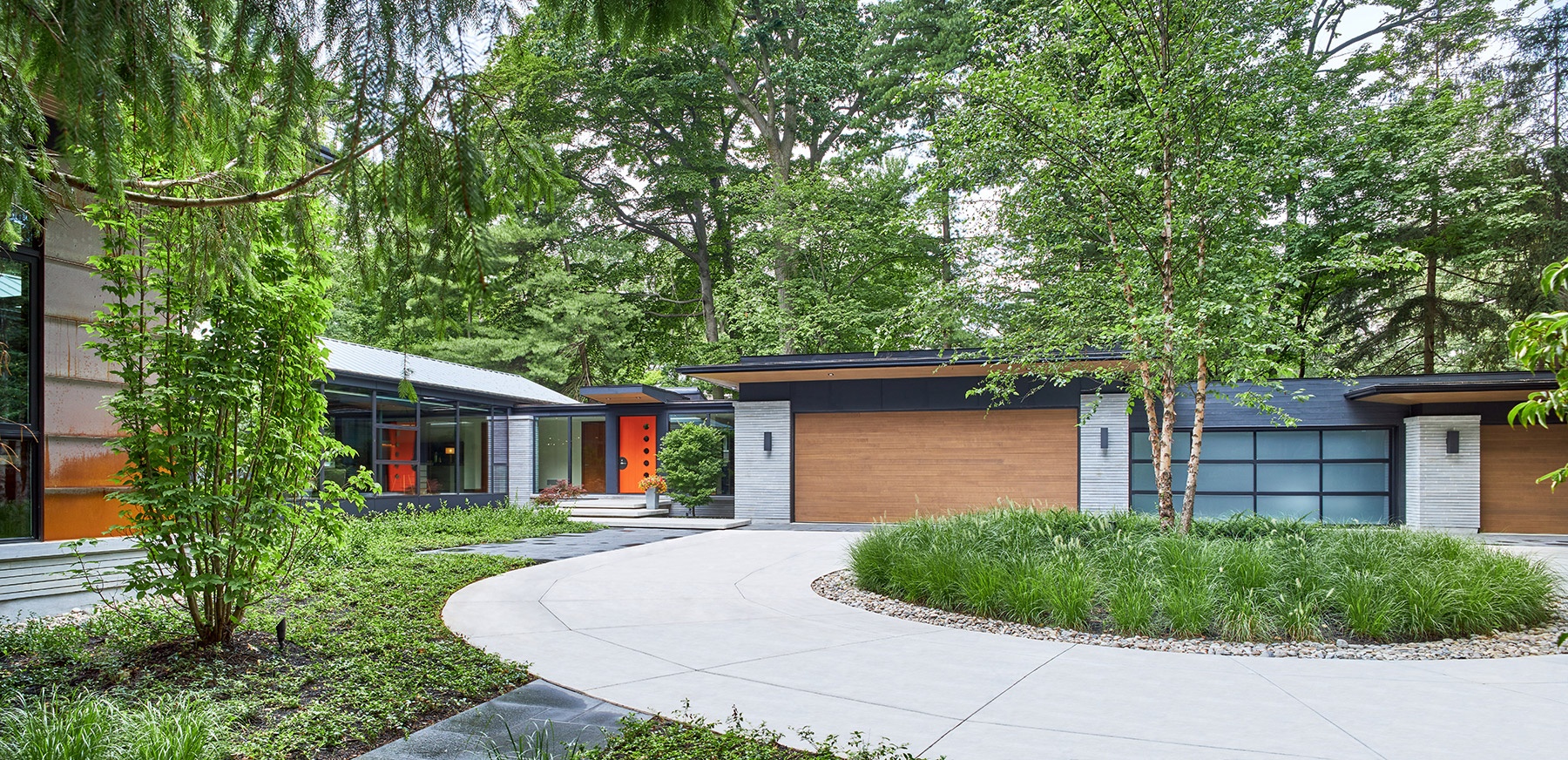
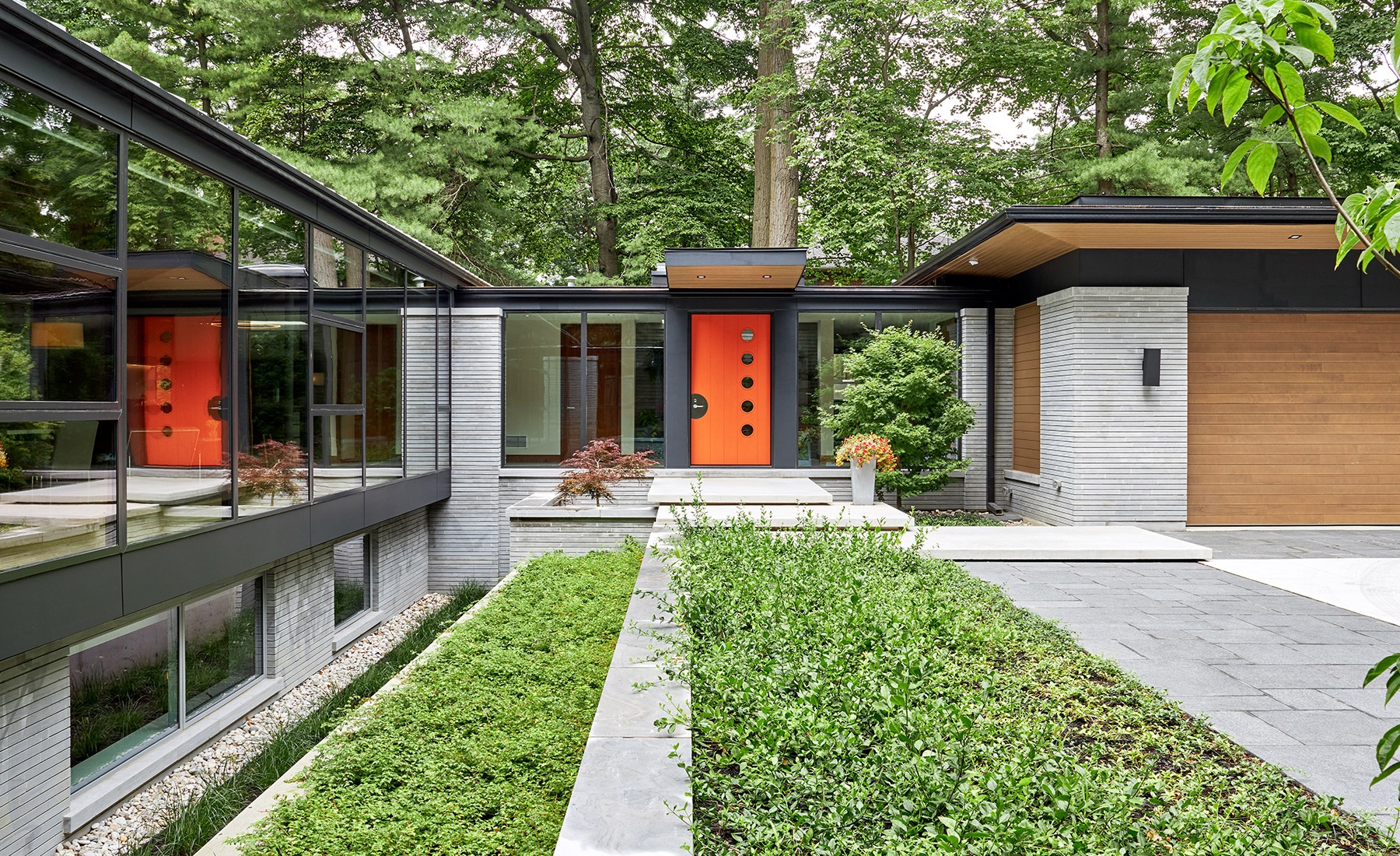
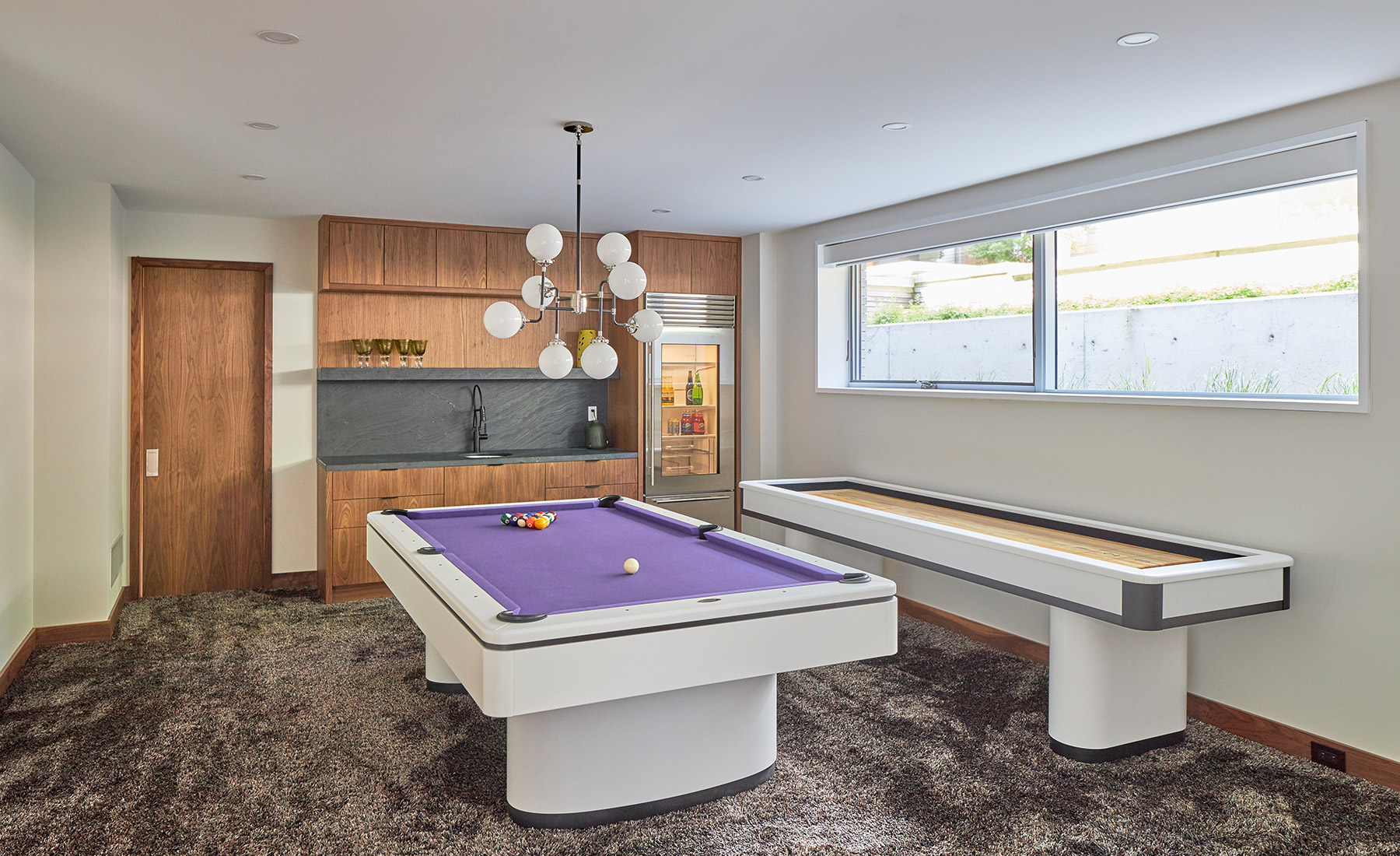
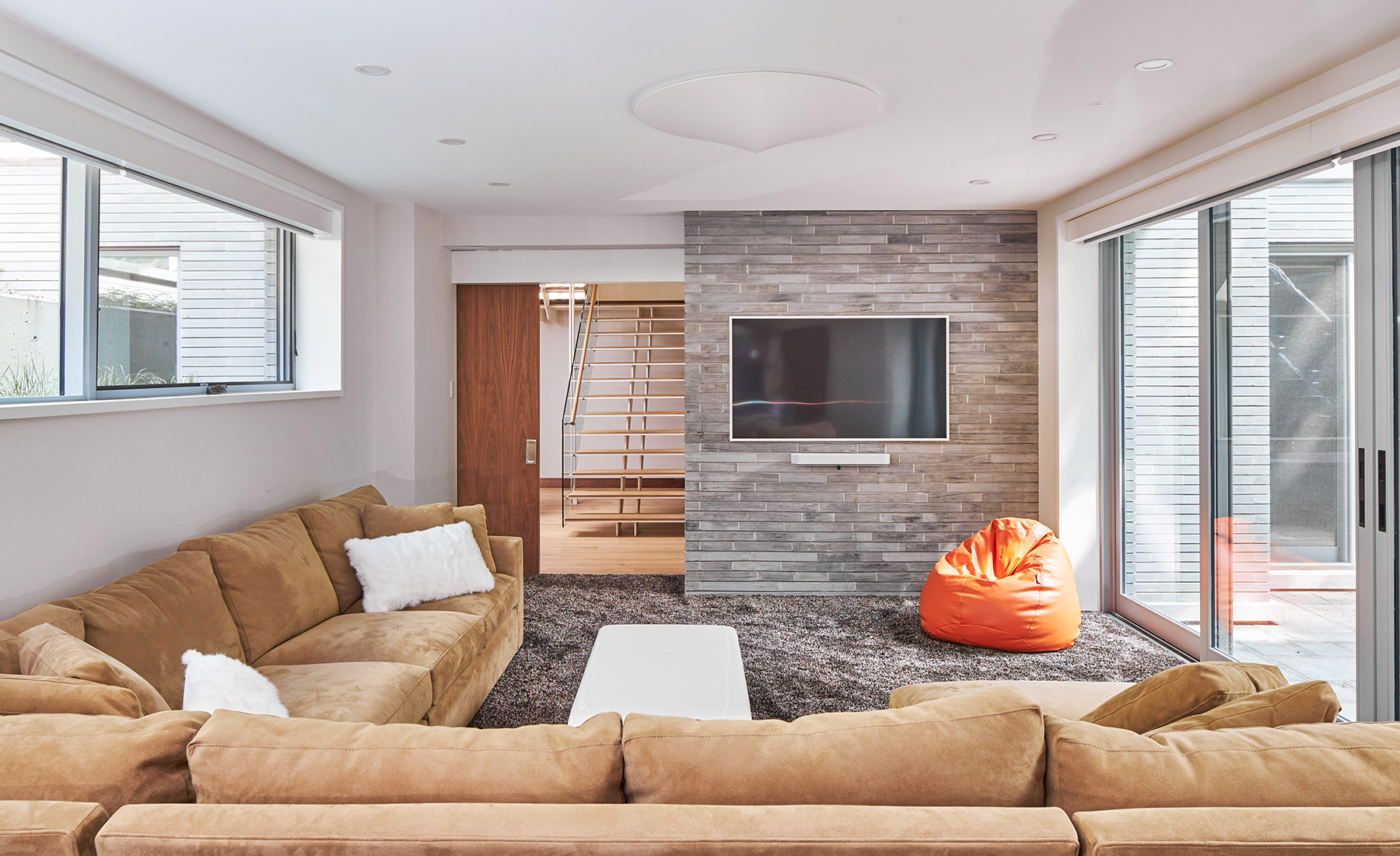
Other elements are more personal and experiential. The bright orange front door, for example, was inspired by the doors of their childhood homes. Similarly, the basement was designed to capture the feeling of the one David grew up with— incorporating shag carpeting and a sculptural pool table, blending vintage character with a refined, modern sensibility.
These are not arbitrary decisions. They are intentional moves to incorporate what has always resonated—whether it’s a style, an heirloom piece of furniture, or a certain way of living. It can also include moments drawn from travel, like a detail from a favourite vacation or rental home that left a lasting impression. By designing around these meaningful elements, the home becomes more than functional—it becomes familiar, layered, and deeply personal.
Even when these choices feel highly personal, they often result in spaces that are unique and compelling—adding character and distinction that elevate a home beyond the expected.
Looking Ahead—With Intention
Designing The Last House™ is not about anticipating decline—it’s about planning for continuity. It allows homeowners to remain in a place they love, with dignity and independence, for as long as possible.
It’s also about removing uncertainty. When thoughtfully executed, this home becomes a foundation—one that minimizes future disruptions and maximizes quality of life.
More Than a Final Home
Ultimately, The Last House™ is not defined by its finality, but by its completeness. It is a home designed with foresight, care, and a deep understanding of what truly matters over time.
It’s where experience meets intention—where lessons learned from past homes are distilled into something more refined, more considered, and more enduring.
And as we’ve seen through the many homes we’ve designed since first sharing The Last House™, this approach is not about a single project—it’s about a way of thinking. One that continues to shape homes designed to support, inspire, and evolve over a lifetime.
If you’re beginning to think about what your next home truly needs to be—and how it can support you for years to come—we’d welcome the conversation. Designing The Last House™ begins with understanding how you want to live, today and into the future. Reach out to our team to start the discussion.