What Does It Cost to Design a Custom Home?
Designing a custom home is one of the most personal and meaningful investments a family can make. It is also one of the most complex.
One of the first questions clients ask is simple:
What does it cost to design a custom home?
The answer depends on a number of factors—size, complexity, approvals, and the level of coordination required. Understanding how architectural fees are structured (and what they actually include) is the first step toward clarity.
Common Architectural Fee Models
Architectural design fees are typically structured in one of two ways:
- Percentage of Construction Cost: Some firms charge a percentage of the total construction budget, often in the range of 10–20% of construction cost
This model comes with one key challenge: construction costs can fluctuate significantly over the course of a project, which makes fee certainty difficult early on.
- Price Per Square Foot: Another common approach is a fixed fee based on the home’s square footage.
This model offers greater clarity upfront, because the fee is tied directly to the size of the home—not the shifting realities of construction pricing.
For many clients, this provides a more predictable and transparent structure, especially during the early planning stages.
At David Small Designs, we follow the price-per-square-foot model. It’s a straightforward approach that brings clarity and confidence to the early stages of a custom home project.
We are organized and efficient in our approach, which allows us to deliver a structured yet highly creative design process—one that supports both design excellence and cost clarity.
What Is Included in Architectural Design?
Many people assume architectural fees simply cover “drawings.”
In reality, designing a custom home is a comprehensive professional service that typically includes:
- Concept sketches and early planning
- Thoughtful space planning and functional layouts
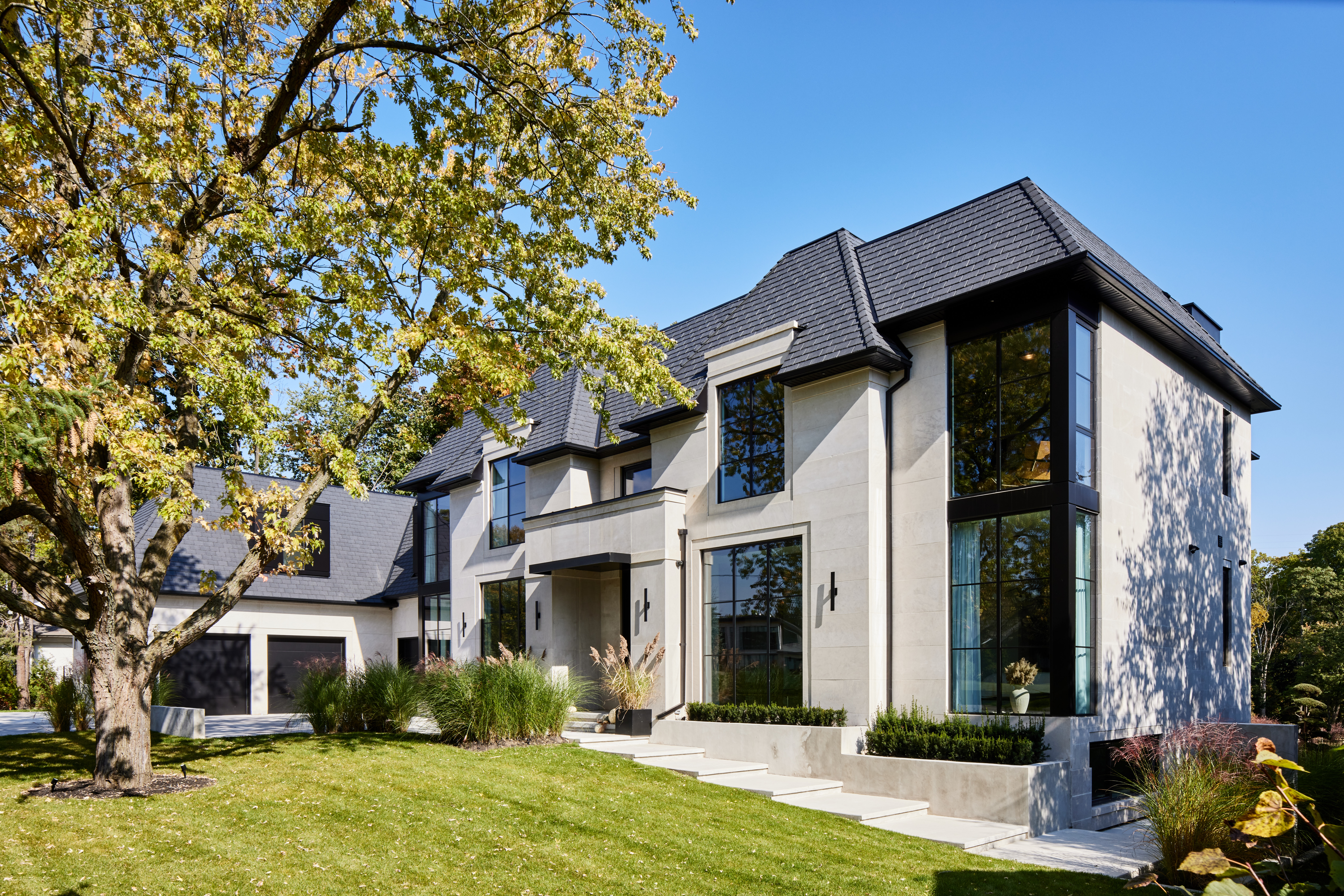
- Exterior architectural design and material direction
- 3D modeling and visualization
- Integrated site planning and grading coordination
- A complete technical drawing set for permit submission
Good design doesn’t happen in a single draft. It is built through a process of listening, testing, refining, and resolving.
Architectural Fees Are Only Part of the Full Design Cost
Another important point: the architectural fee is not the only professional cost required to move a project forward.
A custom home requires a team of consultants whose work is intimately tied to the design and necessary for permits and construction.
These often include:
- Structural engineering
- HVAC design
- Grading and servicing plans
- Stormwater management
- Arborist reports and tree protection plans
- Septic design (where applicable)
- Environmental and geotechnical assessments
The role of the design team is not only to design the home, but to coordinate these disciplines into one cohesive and buildable set.
Consultant requirements vary significantly depending on the municipality, site conditions, and approvals pathway. As a general guideline, clients should anticipate a minimum consultant budget of $25,000, with more complex properties requiring substantially more.
A key role of the architectural team is to identify these requirements early, coordinate the consultant work, and ensure all documents align seamlessly with the architectural set.
Why Coordination Matters
Consultant drawings are not separate from architecture—they are embedded within it.
For example:
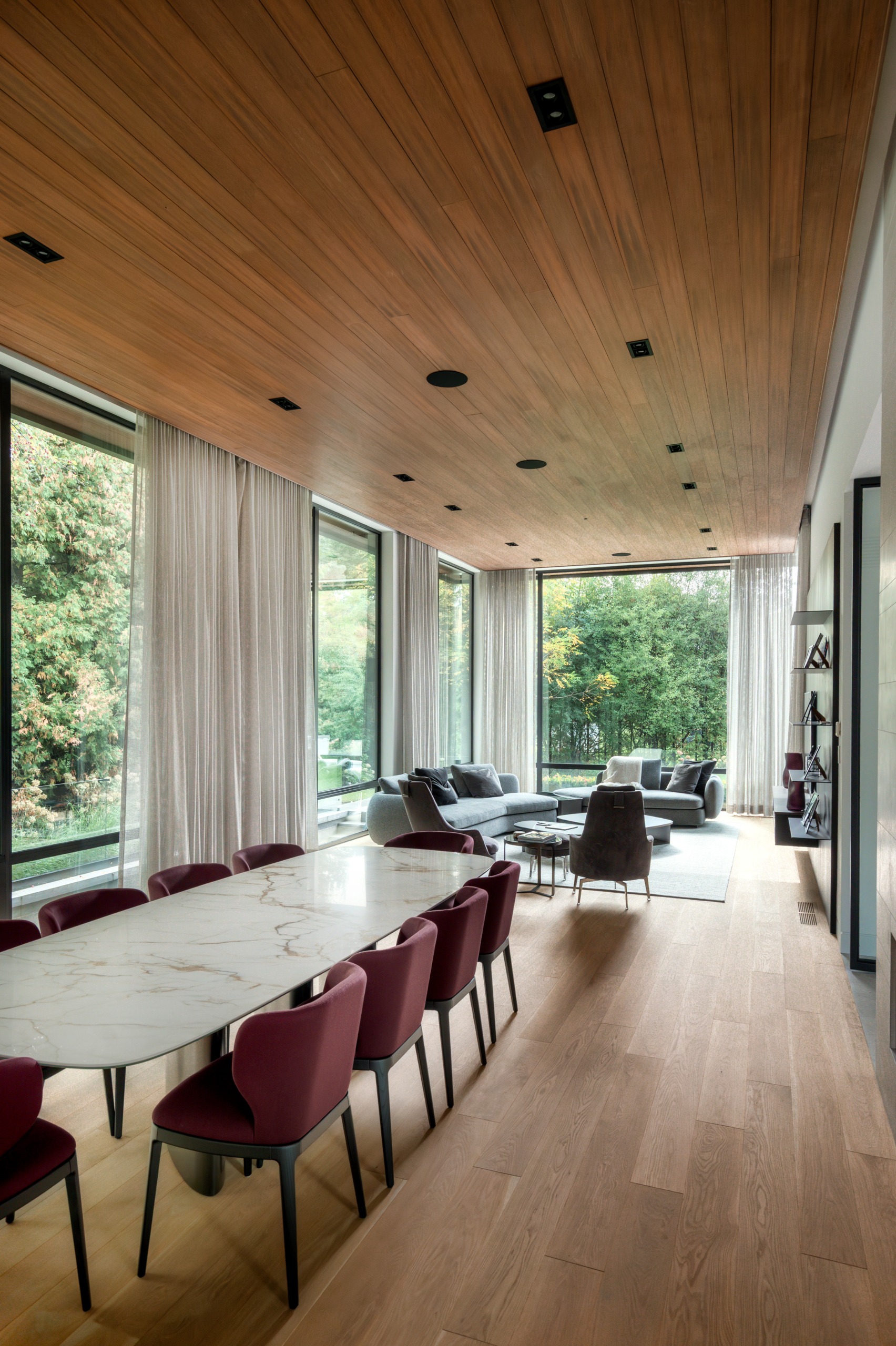
- HVAC ductwork must be integrated intentionally into ceiling treatments, not treated as an afterthought
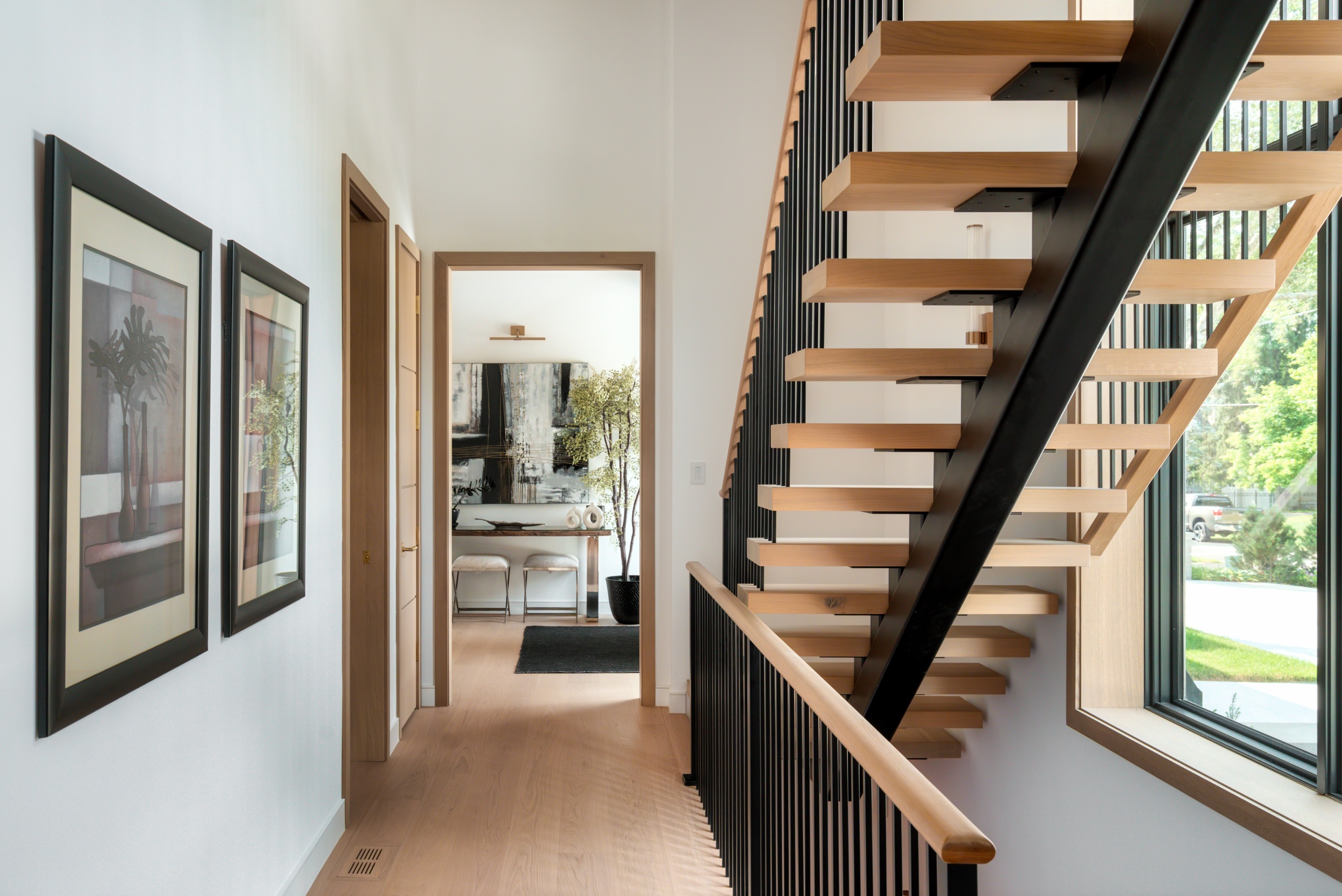
- Structural engineering must align with interior architecture, including open-concept spans, stair design, and beam coordination
- Grading and exterior hardscape must be resolved together, so entrances, terraces, and risers align seamlessly
- Window placement must work both architecturally and structurally, inside and out
- Septic and servicing requirements can influence layout and site planning from the earliest stages
A coordinated drawing set reduces construction conflicts, avoids costly redesign during permitting, and ensures the home is fully resolved before it is built.
The Approvals Process: More Than a Building Permit
Most single-family custom homes require more than a straightforward building permit.
Depending on the municipality and site conditions, approvals may include:
- Committee of Adjustment applications
- Site Alteration permits
- Conservation Authority approvals
- Environmental impact studies
- Geotechnical and slope stability reports
Success is not simply about submitting paperwork.
The real value lies in integrating approvals into the design process from day one—ensuring the home is not only beautiful and functional, but also approvable.
Our team regularly engages with municipal planners early in the design process to ensure variance strategies are aligned with Planning tolerance and Committee expectations. This proactive approach helps clients navigate complex approvals with clarity and confidence.

Approval Service Fees + Municipal Costs
Beyond the preparation of drawings, approvals often require additional professional involvement, including planning strategy, municipal coordination, resubmissions, and representation through hearings and review cycles.
Homeowners should anticipate a minimum of $5,000 in professional service fees related to the approvals process, with more complex applications requiring more.
In addition, municipalities require application fees, deposits, and securities. As a general guideline, clients should budget $20,000 or more for municipal fees and deposits over the course of the approvals process.
Development Charges are often misunderstood. Development Charges apply to new development on vacant land. In many cases, infill redevelopment—where an existing home is being replaced on an established residential lot—does not trigger Development Charges in the same way.
Design Is an Investment in the Outcome
The cost to design a custom home is not just the cost of drawings.
It is the cost of:
- expertise
- coordination
- foresight
- approval strategy
- technical resolution
- and a process that turns a vision into something buildable
A well-designed home is not only more beautiful—it is more functional, more durable, and far more efficient to build.
Ready to Start the Conversation?
If you’re considering a custom home and want to better understand design fees, consultant requirements, and the approvals path ahead, we’d be happy to connect.
Design begins with clarity—and the right team.